Guides
Ice cream shop startup: format options
An ice cream shop startup can take several forms. Compare product, equipment, site, season and operating demands before choosing a format.
What to take away
- An ice cream shop startup is a seasonal business first and a food business second. The summer has to pay for the winter, and most of the decisions below are about making that arithmetic work.
- The product decides the equipment, the equipment decides the space, and the space decides the lease. Decide in that order or you will fit a business around a room.
- Overrun, the air whipped into the mix, is the difference between ice cream and gelato and between a full margin and none. Learn it before you price anything.
- Choose the site on counted foot traffic, not on rent alone. The counting method is in the phases below.
- Licensing is decided by the state and the county you are in. The one general rule is that nobody on the internet can tell you what your health inspector will ask for.
Choosing your format and location
Ask not "should I open an ice cream shop" but "which shape of frozen dessert business can survive its own off-season in this particular place".
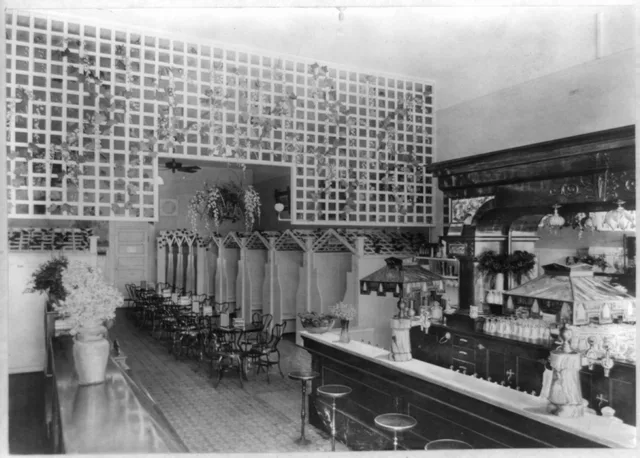
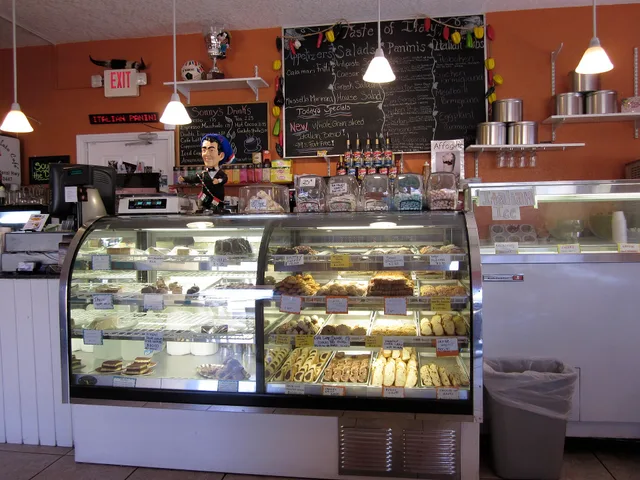
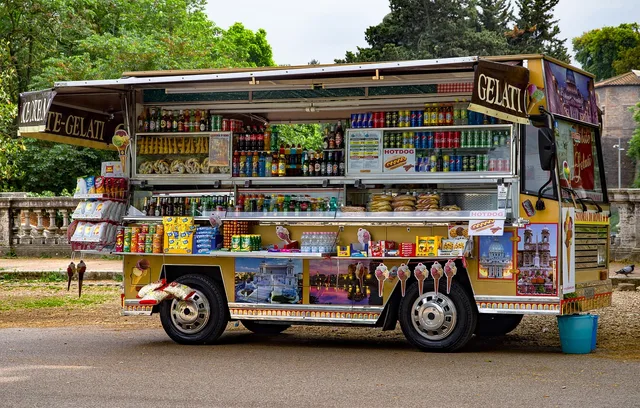
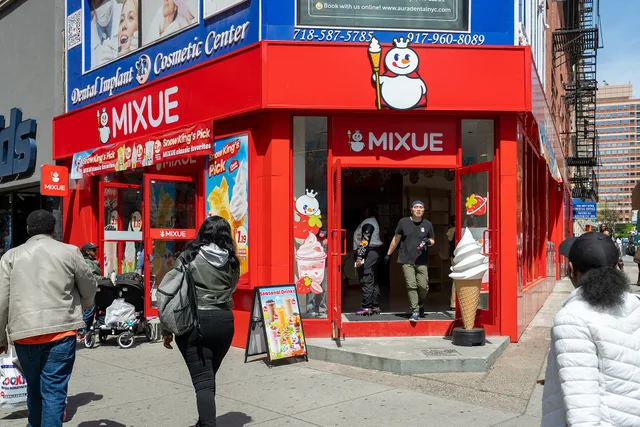
A scoop counter near a beach, a gelato lab on a shopping street, a cart working events, and a production kitchen wholesaling to restaurants are four different businesses. They sell the same thing. They need different equipment, staff, leases, and amounts of cash.
No national answer exists. The two variables that matter most are local: the length of the warm season and the rent.
Location narrows the choice further. A cart needs a surface you may legally occupy and power you can reach. A lab needs drainage, enough electrical capacity for a freezer load, and a landlord who will approve both.
A shop with a long summer and cheap space can run a model that would fail in a cold city paying downtown rent. Read the rest of this page to work out which model fits where you are.
Define the product before anything else
Ice cream and gelato are made on the same principle and sold to the same people, but they are not the same product to make.
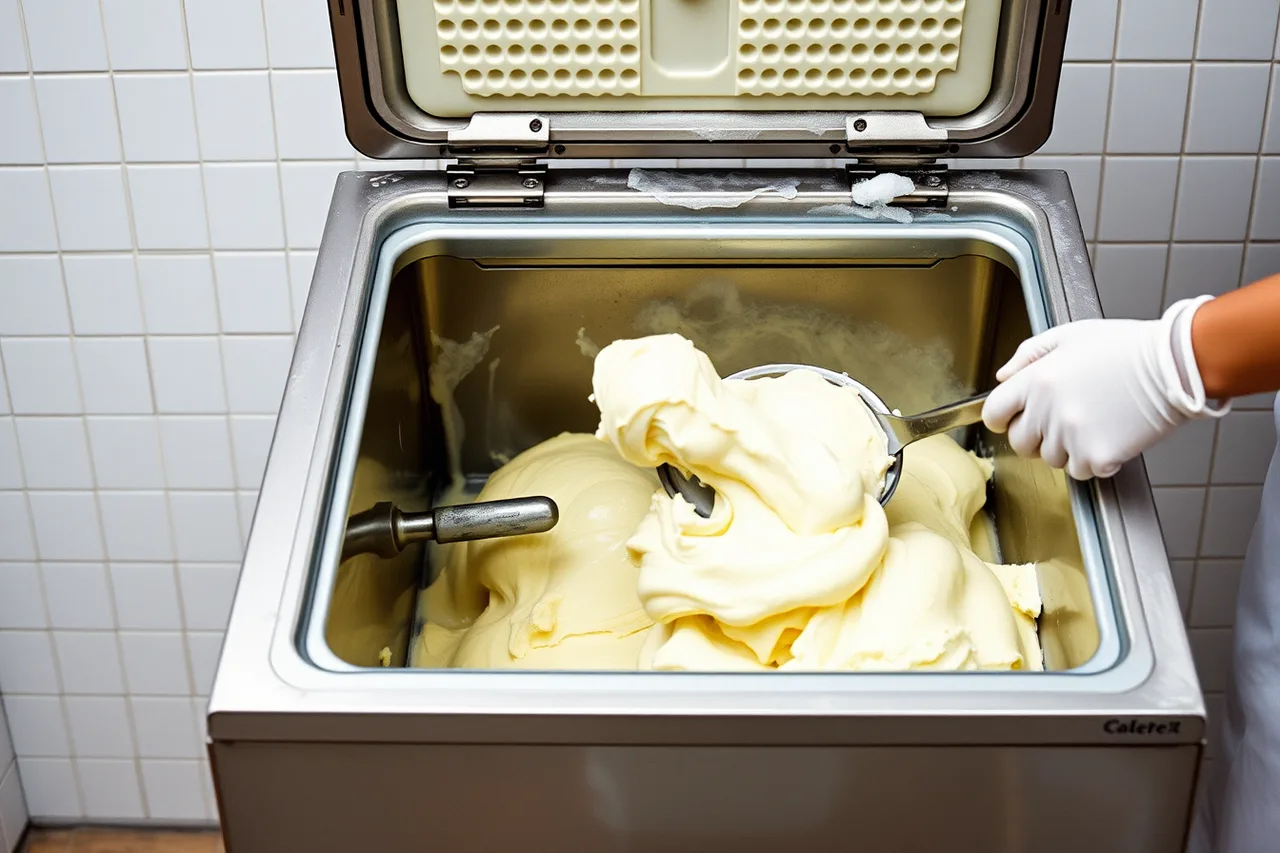
Ice cream churns faster with more air, then sits colder in a deep dipping cabinet. Gelato churns slower, holds less air and less fat, and is served a little warmer from a shallower case so it spreads onto a spade.
Soft serve is a third thing: a continuous machine, a liquid mix, and almost no batch work.
What that means for you:
- The air matters commercially, not only for texture. A batch of mix that comes out of the freezer with a lot of air fills more cups than the same batch with little air. Ice cream shops sell air; gelato shops sell density and charge for it. Both can work, but you must know which one you are running when you set a scoop price.
- Whether you may call your product "ice cream" on a menu or a label is governed in the United States by a federal standard of identity. The thresholds are FDA's to state, not this page's. Ask what the current standard requires for milkfat and for weight per volume before you print anything.
- Gelato made fresh daily needs a batch freezer on site. Ice cream can be bought in tubs from a dairy and dipped. The first is a manufacturing business with a retail counter; the second is a retail business. They need different licenses, different staff and different insurance.
Assess what you already have
Before looking at sites or equipment, write down honestly what you bring.
| You already have | What it lets you skip | What it does not solve |
|---|---|---|
| Recipes you have tested at volume | Months of product development | Whether they scale to a batch freezer without changing |
| Restaurant or cafe experience | Learning food service from zero | The seasonality problem, which restaurants do not have in the same form |
| A location you control | The lease search | Whether that location has July evening traffic |
| Cash for a full year | The pressure to open fast | The temptation to buy equipment before the model is proven |
| A wholesale customer waiting | Retail demand risk | Margin, which is thinner in wholesale than over the counter |
The last row is the one people underestimate. A restaurant that has promised to buy your pistachio by the tub gives you a base, but wholesale is a volume game with thin margins, and it does nothing for your retail counter on a Tuesday in November.
The four formats compared
Equipment core
- Scoop shop dipping bought tubs
- Dipping cabinets, freezers
- Gelato lab making on site
- Batch freezer, pasteurizer, blast chiller, display case
- Cart or trailer at events
- Cart, cold chain, generator or power access
- Production kitchen plus small counter
- Batch freezers, hardening, packaging
Typical equipment spend (USD)
- Scoop shop dipping bought tubs
- 5,000 to 20,000
- Gelato lab making on site
- 30,000 to 90,000
- Cart or trailer at events
- 10,000 to 40,000
- Production kitchen plus small counter
- 50,000 to 150,000
Where cash goes
- Scoop shop dipping bought tubs
- Rent and labor
- Gelato lab making on site
- Equipment, then dairy
- Cart or trailer at events
- Fees and travel
- Production kitchen plus small counter
- Equipment and ingredients
The season problem
- Scoop shop dipping bought tubs
- Revenue falls with the weather
- Gelato lab making on site
- Product quality builds a winter following
- Cart or trailer at events
- There is no winter trade at all
- Production kitchen plus small counter
- Wholesale runs all year
Who it suits
- Scoop shop dipping bought tubs
- Someone with a strong site and little production skill
- Gelato lab making on site
- Someone who wants to make, not only sell
- Cart or trailer at events
- A first business with little capital
- Production kitchen plus small counter
- Someone with restaurant or grocery relationships
Those equipment ranges are typical planning figures for new machines in the United States, not quotes. A rebuilt batch freezer or a used dipping cabinet can cut that line in half, and a buildout in an old building can add more than the machines cost.
Use a few gates rather than an impression: a scoop shop dipping bought tubs fits a retail-first plan without on-site production; a gelato lab making on site fits only if you can support the manufacturing equipment and plan review. A cart or trailer at events depends on securing a legal operating surface and reachable power; a production kitchen plus small counter fits a plan built around wholesale production as well as retail. Eliminate any option whose rent, season length and cash through the slowest month do not work, then count foot traffic at the candidate site before committing.
Rent decides the row as much as the machines do. Small retail units in secondary US markets commonly list from about $15 to $40 per square foot per year on a triple net basis. A 1,000 square foot shop at $25 per square foot pays about $2,100 a month before taxes, insurance and common area charges.
Prime urban and beachfront streets run far higher. Ask for the rent per square foot, the term, the deposit and who pays for the electrical upgrade, and compare those four numbers before you compare the headline rent.
Set goals you can measure through a winter
A goal like "be the best gelato in town" cannot be measured. Goals that can:
Set goals you can measure
- Cash at the end of the slowest month, written down as a target before you open.
- Daily cup count on a weekend in peak season, counted, not estimated.
- Product cost per serving for the five flavors that sell most, recalculated each time a dairy invoice changes.
- Waste per week from the display case, weighed, because a display case is inventory that melts.
These four numbers tell you in the first summer whether the winter is survivable. If you track nothing else, track those.
Understand the constraints
Batch capacity. A batch freezer makes a fixed amount per cycle. On a hot Saturday the queue does not care about that. Work out how many cycles you can run per hour and how many servings that is; if the queue at 8pm outruns it, you are turning away your best hour.
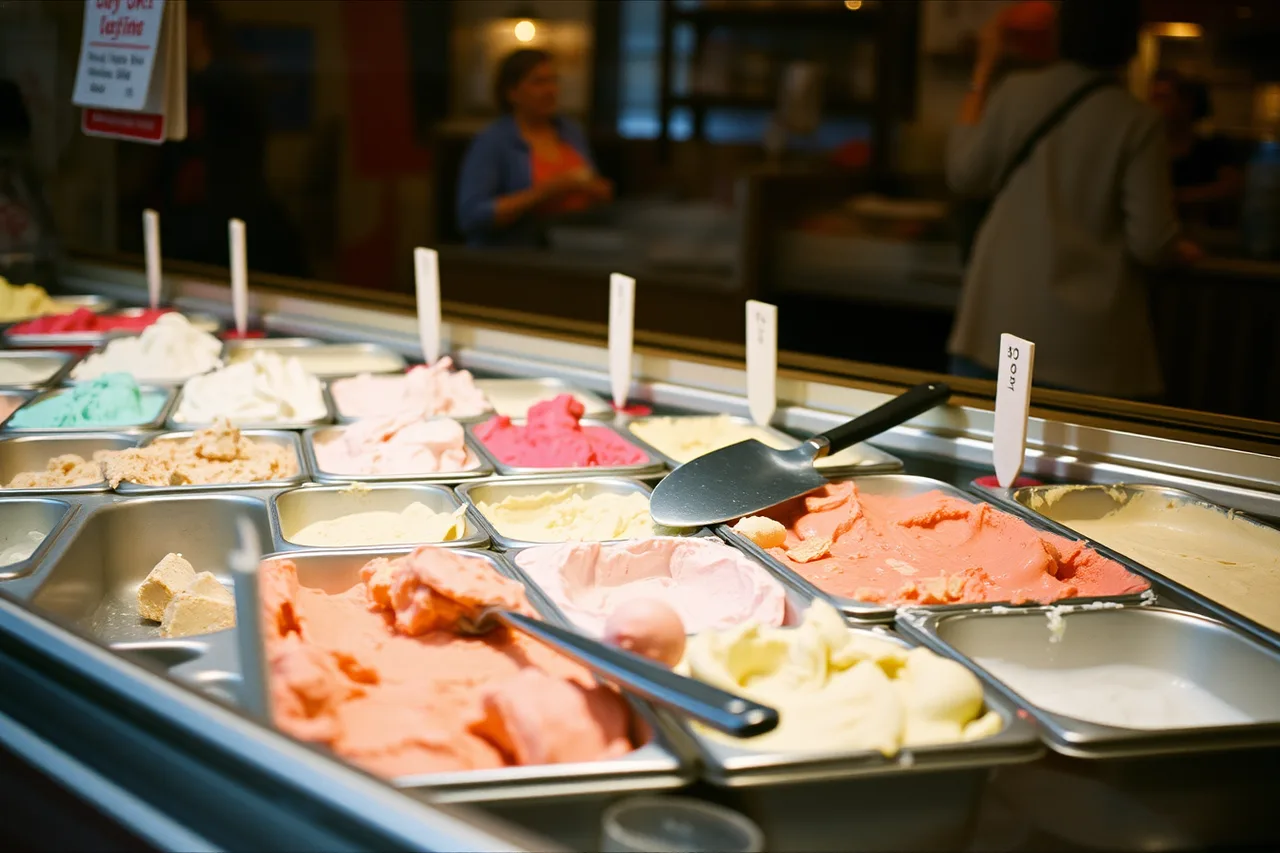
The display case. Everything in the case is losing value from the moment it goes in. Too many flavors looks generous and wastes dairy. Too few loses the customer who came for stracciatella. The number of pans is a constraint you set once when you buy the case.
Dairy cost. Milk and cream prices move, and the flavor nobody orders costs the same to make as the one that sells out. A shop that does not know which pans go back into the freezer half full is subsidizing its own menu.
Labor. Scooping is slow, physical and skilled at speed. A counter that needs three people in July needs one in January, and that person still has to be paid.
Regulation. Where your product is made and sold decides which agency inspects you. The directory at U.S. Food and Drug Administration: State Retail and Food Service Codes and Regulations names the state body that governs retail food where you are, and that body, not a general article, can tell you whether an on-site pasteurizer changes your license class.
Choose an approach and plan the phases
Once the format is chosen, the order of work matters more than its speed.
- Prove the product at volume. Make full batches, not test tubs. Freeze them, hold them, taste them after three days. A recipe that is perfect fresh and grainy on day three is not a recipe you can sell.
- Count the site. Stand at the candidate door on a warm weekend evening and count people walking past. Do it again at midday on a weekday. The ratio between the two is the season problem in one number.
- Price from cost, then check against the street. Work out what a serving costs in dairy, cup, spoon and napkin before you look at what the shop down the road charges.
- Set up the entity and the records. The Internal Revenue Service: Starting a business page walks through choosing a structure, obtaining a tax identification number and setting up recordkeeping, and doing it before the first sale is far easier than after.
- Get the site inspected before you sign for it. Ask the local health department what they will require of the space you are considering, and get that list before the lease is binding.
- Open small. Fewer flavors, shorter hours, a few weeks of running the machines before you promote anything.
Typical durations from decision to first sale: a scoop shop in an existing unit takes three to six months. A gelato lab with a buildout takes six to twelve months. A production kitchen with plan review and a wholesale customer takes nine to eighteen months.
The wider planning skeleton, from market research through funding to hiring, is laid out in the U.S. Small Business Administration: SBA Business Guide, which is the sensible place to go for the general parts of the job that are not specific to frozen dessert.
Budget beyond the obvious
The equipment quote is the number everyone starts with and the one that misleads most. These are the lines that sit beside it.
| Cost line | Typical range (USD) | What sets the number |
|---|---|---|
| Rent deposit and months before opening | 3 to 6 months of rent | Landlord terms and buildout time |
| Electrical and plumbing work | 10,000 to 80,000 | What the unit already has and where the cases sit |
| Batch freezer | 8,000 to 30,000 | Output per hour, new or rebuilt |
| Dipping cabinets and display case | 4,000 to 20,000 | Number of pans and case length |
| Pasteurizer and blast chiller | 10,000 to 40,000 | Needed only if you make gelato on site |
| Opening ingredient stock | 2,000 to 8,000 | Number of flavors and current dairy prices |
| Wages for the training weeks | 2 to 6 weeks of payroll | Crew size before revenue starts |
| Winter reserve | One slow month of fixed costs | Your own slow-month goal |
Every figure here is a planning placeholder, not a quote. A used freezer, a shorter case or an existing dairy account can move any line, and the electrical work is the one that surprises people.
Fund the winter reserve first. A shop with a reserve can go quiet in January and open again in March.
Decide what to hand to a professional
- An accountant, before the entity is formed, not after.
- A refrigeration contractor for the electrical load and the condenser placement; a case that sits in afternoon sun will not hold temperature.
- A food safety consultant or the health department's own plan-review process if you will pasteurize on site.
- An insurance broker who has written a food manufacturer before, not only a cafe.
Running the first twelve months
Running the shop is a management job with unsociable hours. The U.S. Bureau of Labor Statistics: Food Service Managers profile describes a role responsible for staff, supplies, sanitation, budgets and customer problems. Evenings, weekends and holidays are the normal schedule.
The work that fills those hours is routine rather than glamorous. Order dairy twice a week in season and once a week in the quiet months, and check the temperature of every delivery against the invoice.
Clean the machines on a fixed schedule, not when something starts to smell wrong. Write tomorrow's flavor list tonight, and count the pans that went back half full. That count, not the sales total, tells you which flavors to cut.
Winter is for the jobs the summer cannot fit: retesting the recipes that sold worst, servicing the compressor, renewing permits, and pricing next summer from this year's invoices.
Common questions
Do I need to make my own product to open?
No. Dipping bought tubs is a legitimate retail business with far less equipment. It has a weaker story to tell customers and a thinner margin, and it does nothing to reduce the season problem, but it is a real option and a common first step.
Is gelato more profitable than ice cream?
Neither is more profitable in the abstract. Gelato carries less air, so each serving uses more mix and costs more to make, and it is priced accordingly. Ice cream carries more air and cheaper mix. Profit depends on how you price against your own cost.
How do I know if a location works?
Count the door yourself before you sign, in both seasons. No broker's number replaces your own count.
What license do I need?
It depends on your state, your county and whether you manufacture on site. In most states a counter selling bought tubs needs a retail food permit, while making gelato in the back adds a food processing license and a plan review. Ask your local health department which applies to the space before you sign a lease.