
Guides
Why do Chicago gelato shops plan for winter and summer foot traffic?
Gelato shop Chicago seasonality means planning two seasons: brutal winters and humid summers, with catering, delivery and wholesale pints filling the off months.
What to take away
- Gelato shop Chicago seasonality is not a marketing sloganthe city swings from single-digit January wind chills to humid July afternoons, and sales swing with it.
- National Weather Service seasonal data for Chicago gives operators the temperature and precipitation record they need to time staffing, production and cash reserves.
- Winter foot traffic collapses after the holidays, so catering, delivery and wholesale pints carry the slow months.
- The Chicago Department of Public Health food safety rules apply year round, and slow months are the best time to fix the systems that inspections check.
- Build one staffing and inventory plan for the summer peak and a leaner one for winter, then review both against actual sales.
What National Weather Service data shows about Chicago winters and summers
Chicago has two operating climates, not four seasons. National Weather Service seasonal data for Chicago shows January average highs around freezing and overnight lows in the teens, with wind chills that keep people indoors. July averages run in the low 80s with high humidity, and the lake breeze pulls crowds to the parks and the lakefront.
Chicago seasonal weather planning data
- January highsaround freezing
- January lowsteens
- July averageslow 80s, humid
- First hard freezelate November
Precipitation matters as much as temperature. Summer thunderstorms can shut down a sidewalk cart or a catering setup in an afternoon, while winter snow and ice make delivery routes slower and riskier. Both patterns are visible in the same NWS records, which is why operators should pull the monthly normals for O'Hare or Midway rather than rely on memory.
The practical use is planning, not trivia. If you know the first hard freeze typically lands in late November, you can schedule your catering push before it. If July is reliably the hottest and busiest month, you can lock in extra staff and production capacity by May.
The data does not tell you what to sell; it tells you when the city will be outside.
Why gelato foot traffic collapses in January and spikes in July
Chicago foot traffic gelato patterns follow the weather almost mechanically. In January, residents move between home, work and transit with as few stops as possible. A gelato shop on a walking retail strip loses the impulse customer, and even destination shops see shorter dwell times.
January vs July foot traffic swing
- 300January sales
- 1,000July peak
Sales do not go to zero, but they can fall by half or more from the summer peak.
July reverses everything. Tourists, office workers on lunch breaks, families leaving the lakefront and festival crowds all put feet on the pavement. A shop near Millennium Park, Navy Pier or a farmers market can serve more customers in a July weekend than in a slow January week. That spike is real revenue, and it is also a capacity test.
The trap is treating the summer as the normal state. Operators who staff and stock for July all year burn cash in February. The better move is to treat the summer as a short, intense season and the rest of the year as a different business.
That framing shapes everything from lease terms to how you use an ice cream shop inventory control checklist to read demand across the calendar.
Location amplifies the swing. A shop inside a hotel or theater district has a different winter floor than one on a residential block, which is why comparing locations by season before signing a lease matters more in Chicago than in a mild market.
Off-season revenue: catering, delivery and wholesale pints
Gelato catering Chicago is the most reliable winter bridge. Offices, weddings, bar mitzvahs, corporate holiday parties and school events all want dessert in months when walk-in traffic is thin. A catering order is booked in advance, paid on invoice and produced in a batch, which makes it easier to staff than a random Tuesday rush.
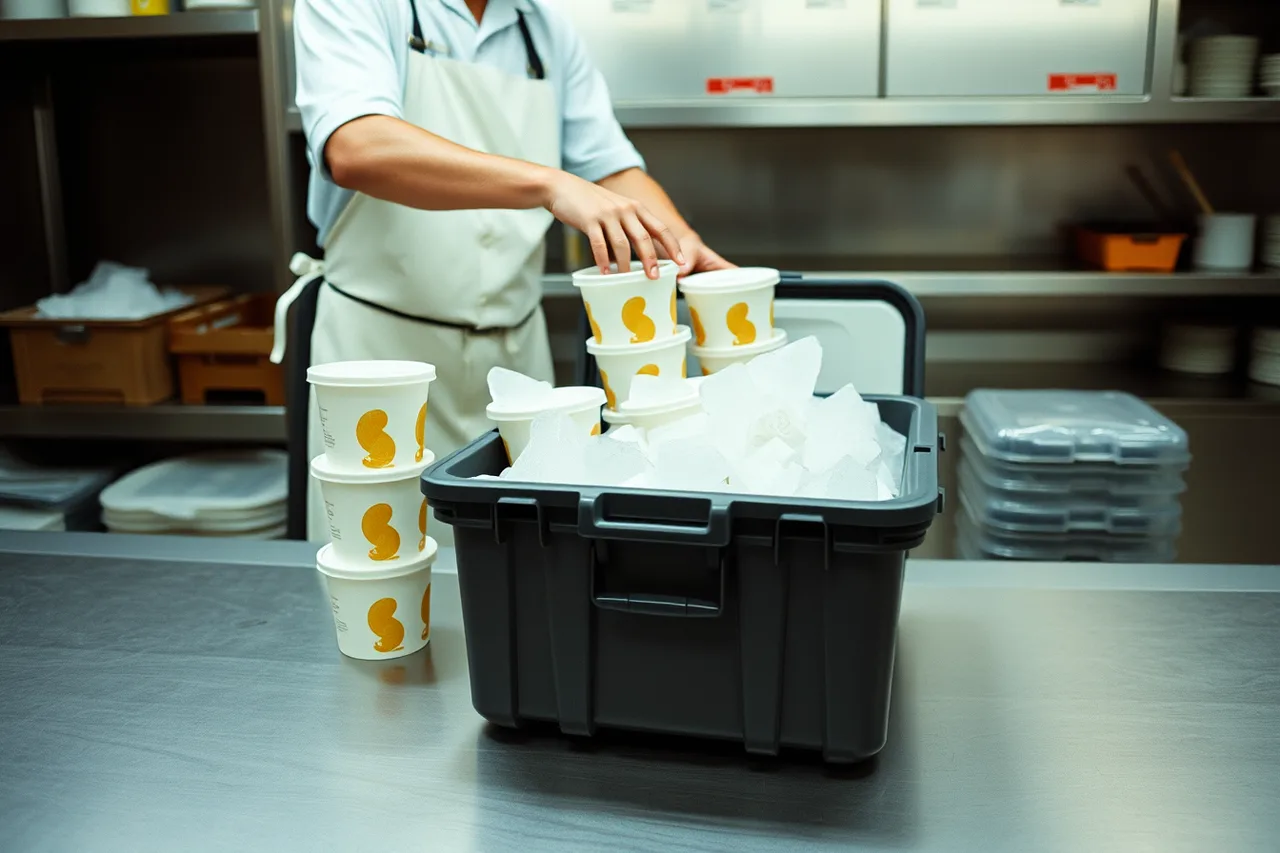
The menu should travel well. Pints, quart containers, gelato cakes and pre-scooped cups hold up better than cones. This is where the cold-chain problem becomes an operations issue: insulated carriers, dry ice for longer runs, and clear reheating or tempering instructions for the client. A catering order that arrives soft is a refund, not a repeat customer.
Gelato delivery Chicago fills the smaller gaps. Third-party apps bring orders in bad weather, and direct delivery through your own site keeps the margin. Set a delivery radius you can actually serve in 30 minutes, and pause it during snow emergencies rather than promising a time you cannot meet.
Wholesale pints are the third leg. Restaurants, grocery stores, hotels and coffee shops buy gelato year round, and a standing weekly order smooths the winter trough. Wholesale pays less per unit than retail, but it pays in January. Treat it as base load, not as a favor to a friend's restaurant.
Off-season revenue
| Off-season channel | Best months | What it needs |
|---|---|---|
| Catering | November to March | Batch production, insulated transport, invoicing |
| Delivery | Year round, peaks in bad weather | Tight radius, app plus direct ordering |
| Wholesale pints | Year round | Consistent flavor list, reliable weekly route |
| Corporate gifting | December | Branded packaging, pre-order deadline |
Staffing and inventory plans for two Chicago seasons
Staffing should be built as two schedules, not one. The summer schedule runs heavier scooper coverage, a dedicated production shift and a manager on the floor during peak hours. The winter schedule runs a smaller core crew, cross-trained on catering prep and delivery packing, with hours concentrated into fewer days.
Summer vs winter staffing and inventory
Summer
- Scooper coverage
- Heavier
- Production shift
- Dedicated
- Hiring
- April-May
- Par level
- Peak July
- Labor hours
- 100 percent
Winter
- Scooper coverage
- Smaller core
- Production shift
- Catering-focused
- Hiring
- Seasonal rehires
- Par level
- January base
- Labor hours
- About 30 percent
Hiring follows the same split. Bring on summer staff in April and May so they are trained before the first hot weekend. Keep a smaller winter core of people who can handle production, packing and a catering setup alone. Seasonal rehires who already know your flavors cost less to bring back than new hires.
Inventory planning has to account for shelf life and cash. Gelato base, milk, cream, sugar and inclusions all have different lead times, and a winter order that assumes July volume ties up cash and risks spoilage.
Build a winter par level from actual January sales, then raise it in steps as spring arrives. The full method is covered in inventory planning.
A worked example makes the split concrete. Suppose a shop sells 1,000 scoops in a peak July week and 300 in a typical January week. The winter plan needs roughly 30 percent of the summer labor hours and a production schedule built around catering orders, not walk-ins.
If catering and wholesale add 150 scoop-equivalents a week, the winter floor rises to about 450, and the shop covers its fixed costs without pretending it is July.
Any plan to add a second site should be tested against this seasonal math before signing. A market that looks strong in June can look very different in February, which is the core question in ice cream shop expansion.
Chicago food safety rules that still apply in the slow months
Slow months are not exempt months. The Chicago Department of Public Health licenses and inspects food establishments, including gelato and ice cream shops, and the rules cover temperature control, cleaning, employee health and pest control. Inspectors do not skip January because sales are down.
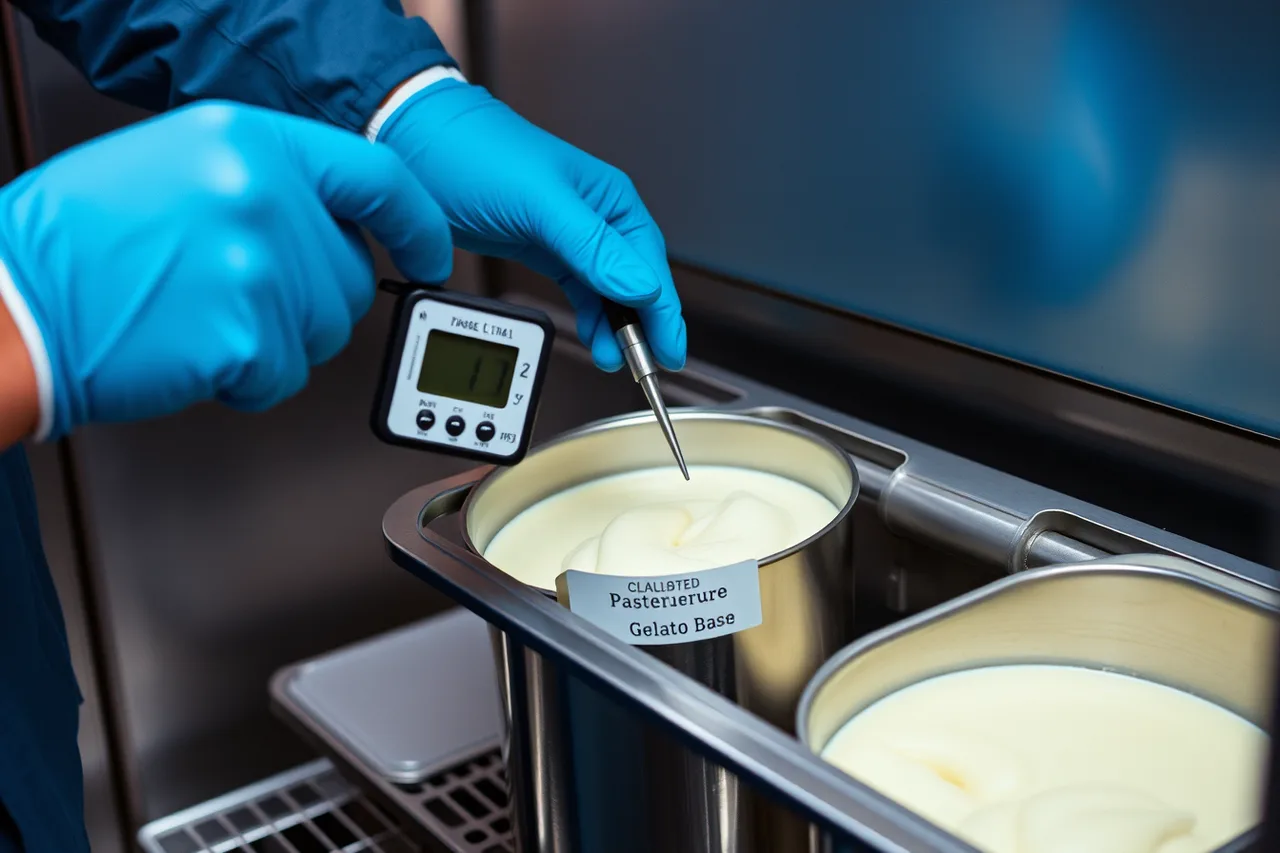
The City of Chicago food safety permits and inspections page lays out the licensing and inspection process. Use the winter lull to fix what generates violations: dated labels, calibrated thermometers, a written cleaning schedule and a log for the pasteurized mix.
Dairy and egg-based bases need particular attention. Keep cold holding at or below the required temperature, cool hot bases quickly, and date every container. A shop that gets this right in the quiet months walks into summer inspections with a clean record.
Worker safety is part of the same routine. Kitchens get hot in July, and outdoor carts and catering setups expose staff to sun and heat. The OSHA heat illness prevention guidance covers water, rest and shade, which should be written into summer shift plans rather than improvised on a 95-degree day.
Winter brings its own risks: slips on ice at the back door, cold stress during early deliveries, and power outages that threaten frozen stock. Storm damage or a long outage can interrupt revenue for days, and FEMA disaster assistance for businesses explains the federal help available after a declared disaster.
Keep insurance documents, a product inventory list and supplier contacts in one place before you need them.
- Check current Chicago food handling and permit requirements before the winter menu changes
- Calibrate thermometers and verify cold holding temperatures weekly
- Date and label every base, batch and pint
- Write a heat plan for kitchen and cart staff for summer
- Store insurance, inventory and supplier records for storm or outage claims