Guides
Gelato Batch Freezer Maintenance Schedule for Small US Shops
Gelato batch freezer maintenance schedule for small US shops: what to buy first, what to skip, and the written log health inspectors expect.
What to take away
- A written schedule beats memory. US health inspectors expect a record of batch freezer cleaning and maintenance.
- The first purchase is a food-grade H1 lubricant and a probe thermometer; they prevent most surprise failures.
- Skip a clean-in-place cart and ultrasonic cleaner until you run multiple freezers.
- Replace a batch freezer when it cannot hold mix within 5°F of setpoint during a three-hour display window.
Small US shops run batch freezers hard in summer, and the machines fail in predictable ways. Most failures start with worn seals, dry bearings, or a clogged condenser. A schedule turns those into visible entries instead of weekend emergencies. The same record keeping logic appears in FDA Food Code rules for holding temperatures.
What you actually need
A written log and a few tools. The first purchase is a food-grade H1 lubricant such as Lubriplate FMO-350-AW. Most dasher bearings and seals need lubrication after each wash, and using a non-food-grade grease can draw a citation.
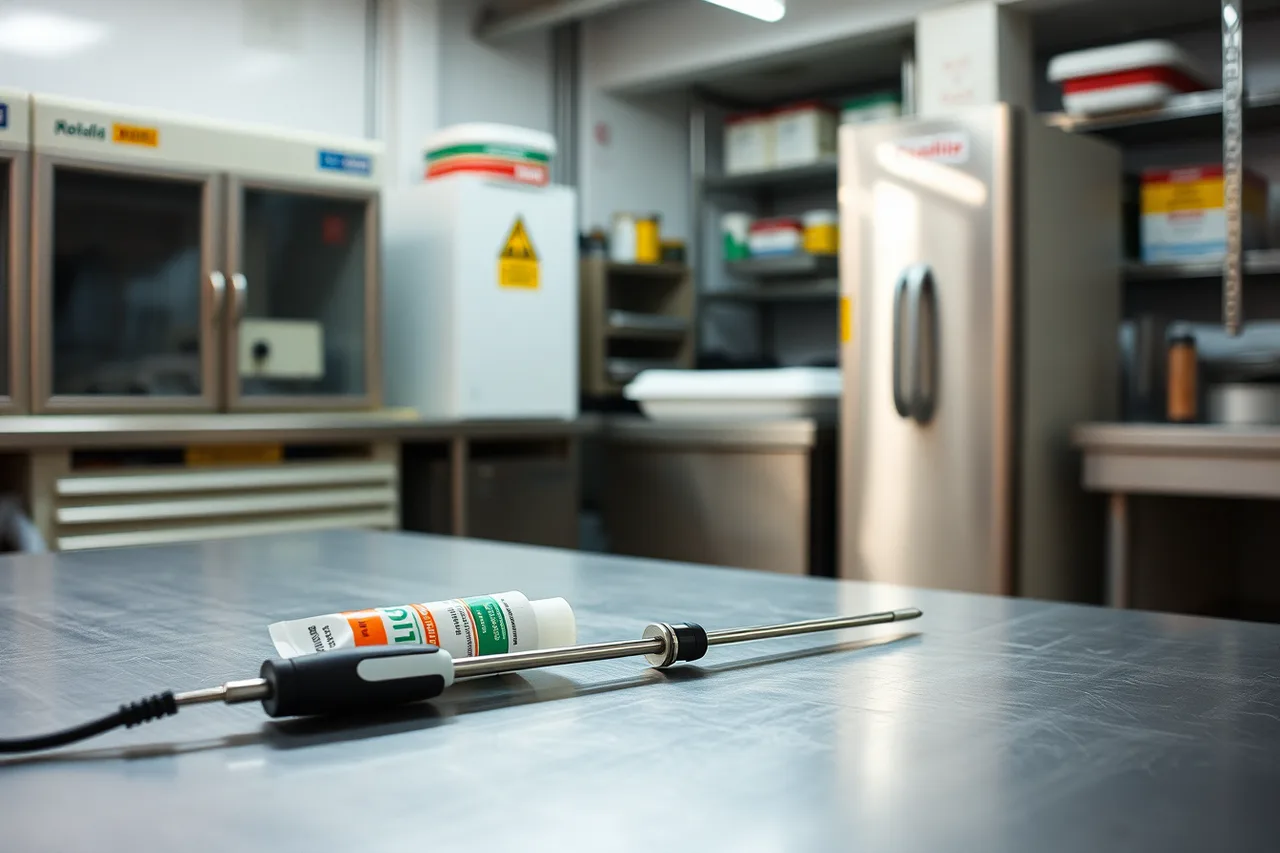
Buy a NSF-certified probe thermometer next. You will use it to check mix temperature at the start and end of a batch, and to confirm the freezer holds product at or below 0°F. Keep the log on a clipboard or tablet near the machine, not in an office drawer.
Before you place the machine, health department plan review will check clearances and sink access. Under the FDA's preventive controls rule, equipment maintenance records are part of a compliant food safety plan. The FDA Food Code sets 41°F or below for refrigerated and 0°F or below for frozen display. A batch freezer that drifts above those marks needs immediate attention.
Intervals that keep a batch freezer running
Use this table as a start. Manufacturer manuals may add steps for specific models.
| Interval | Task | Why it matters |
|---|---|---|
| Daily | Wipe door gaskets and check mix temperature after each batch | Prevents seal failure and off-flavor |
| Weekly | Remove and inspect dasher blades, lubricate rear bearing | Catches wear before metal shavings appear |
| Monthly | Check belt tension and clean condenser fins | Reduces compressor strain and power cost |
| Quarterly | Replace water filter and check refrigerant sight glass | Avoids ice-up and cooling loss |
| Annually | Have a certified tech test compressor and safety switches | Meets warranty and insurer expectations |
Log each service with this checklist:
- Date, time, and initials
- Mix temperature at start and end
- Lubricant used and bearing condition
- Any unusual noise or vibration
What can wait
A spare dasher motor, a second batch freezer, and a tablet-based maintenance app can wait. A single shop with one machine does not need a spare motor on the shelf. If the motor fails, a service call is cheaper and faster than storing a part that may never match your model.
Wait on a second freezer until weekly production tops 200 gallons, a rough ceiling for many one-room shops. A digital checklist app only helps after you have three or more staff on rotating shifts.
What to buy used
A used batch freezer can save money, but only if you can inspect the dasher and seals. Buy a used Carpigiani or Taylor only when the seller provides service records from the last 12 months. Used stainless steel mix buckets and paddle sets are fine. Avoid used electronic control boards; water damage hides there. The same discipline appears in an ice cream shop stock checklist for deliveries. Ask for photos of the condenser fins before you travel to see the machine.
What never pays back
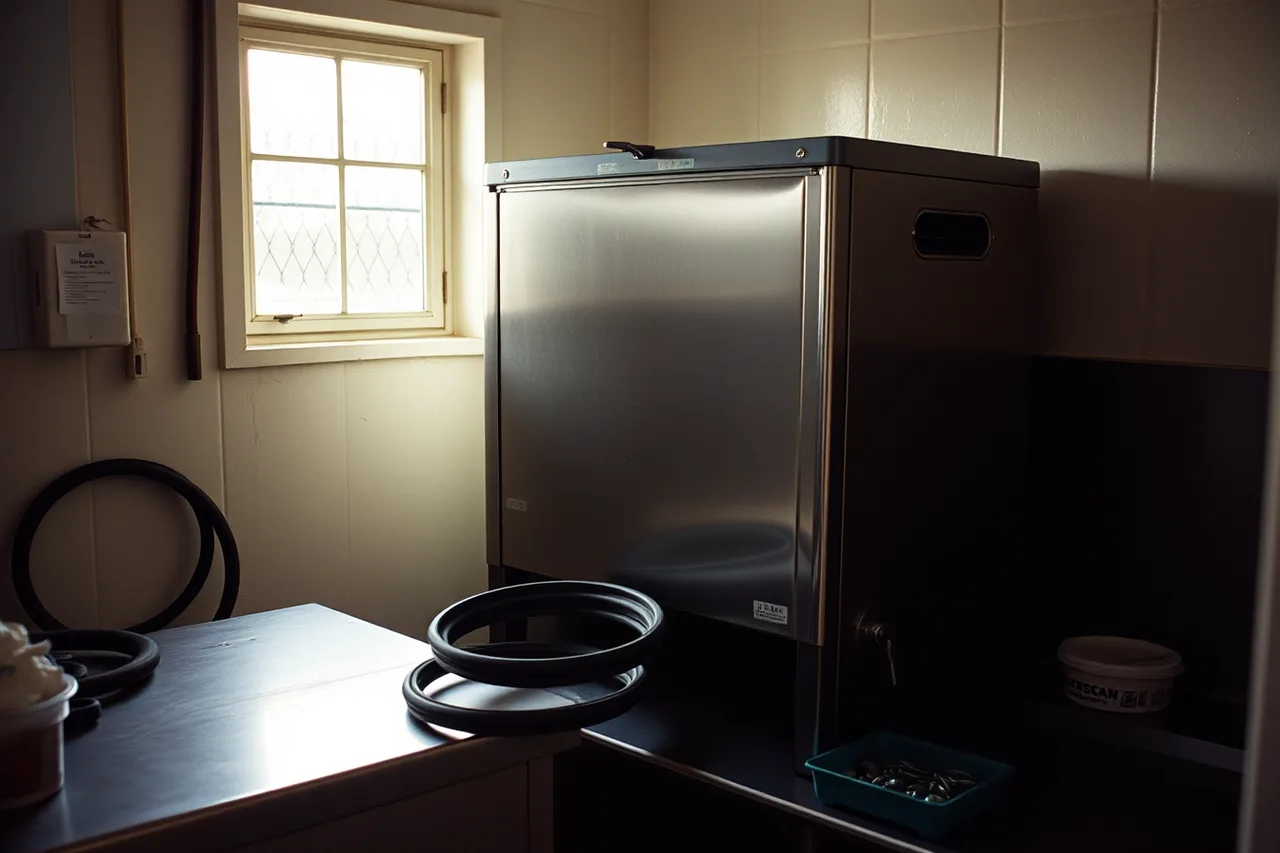
A clean-in-place cart is not worth buying yet. For one or two batch freezers, a CIP cart costs more than the labor it saves. Ultrasonic cleaning tanks also fail to pay back in a small shop. Spend that money on a spare set of scraper blades and gaskets. A tablet-based log with cloud storage is another cost that rarely returns value in a single-location parlor.
How to tell when to upgrade
Track temperature recovery time. A common benchmark is 20°F within 12 minutes after loading mix. If recovery takes longer than 20 minutes on three consecutive batches, the compressor or dasher motor is failing. When a freezer cannot hold temperature, calculate gelato overrun drops because air incorporation falls. Use these steps:
- Record recovery time after every load.
- Compare the last 10 batches to the first 10 from the same season.
- Replace when recovery time doubles or repair quotes pass 60% of replacement cost, treated as a working threshold.
Common questions
How often should a small US shop lubricate a batch freezer? Lubricate the rear dasher bearing after every wash, usually daily. Check the manufacturer manual because some models use sealed bearings. Do health inspectors require a written maintenance log? Yes. The FDA preventive controls rule expects equipment maintenance records, and state or local inspectors may ask for them during a routine visit. Can I use a general-purpose grease on the dasher? No. Only food-grade H1 lubricant is safe for incidental food contact. Non-food-grade grease can contaminate mix and draw a violation. When should I replace instead of repair a batch freezer? Replace when repair quotes exceed 60% of the cost of a new NSF-certified unit, or when the freezer cannot hold mix within 5°F of setpoint.