Guides
How FDA Food Code rules shape gelato shop operations across California
Gelato parlor operations California: FDA Food Code 2022 rules, CDPH retail adoption, county permits, temperature control and hygiene duties explained.
What to take away
- Gelato parlor operations California are governed by the FDA Food Code 2022 as adopted through the California Retail Food Code and enforced by county health departments.
- California adopts the Food Code's sanitation, temperature control and employee hygiene chapters, but the state writes its own retail food rules in the California Retail Food Code.
- You need a county health permit, a business license and often a food handler card before you open a gelato shop.
- Display cases must hold gelato at 41°F or below, and you must keep temperature logs.
- Employees must wash hands, wear gloves when handling ready-to-eat gelato, and follow the adopted code's hygiene rules.
- County inspectors score your parlor on a 100-point scale; a low score triggers a recheck.
Which FDA Food Code 2022 sections California adopts for gelato parlors
California does not adopt the FDA Food Code 2022 word for word. The state uses it as the model for the California Retail Food Code, known as CalCode, which the California Department of Public Health administers.
FDA Food Code vs CalCode
FDA Food Code 2022
- Adoption
- Model document
- Chapter 2
- Management, personnel
- Chapter 3
- Food, temperature control
- Chapter 4
- Equipment, utensils
- Handwashing sinks
- Federal baseline
- Certified manager
- Not specified
California CalCode
- Adoption
- State-adopted code
- Chapter 2
- Adopted via CalCode
- Chapter 3
- Adopted via CalCode
- Chapter 4
- Adopted via CalCode
- Handwashing sinks
- State-specific rules
- Certified manager
- Required on site
The FDA Food Code 2022 is the reference document that state and local agencies use for retail food establishments, including gelato parlors. The FDA publishes the full text and its sanitation, temperature control and employee hygiene chapters Food Code 2022 | FDA.
For a gelato parlor, the adopted sections that matter most are Chapter 2 on management and personnel, Chapter 3 on food and temperature control, and Chapter 4 on equipment and utensils. Chapter 2 covers employee hygiene and handwashing.
Chapter 3 covers cold holding at 41°F or below. Chapter 4 covers cleaning and sanitizing of scoops, spades and display cases.
California adopts these chapters through CalCode, but the state adds its own requirements. For example, CalCode sets specific handwashing sink rules and requires a food safety certified manager on site.
The FDA Food Code is updated every four years; the 2022 edition is the current model for retail food establishments FDA Food Code | FDA.
When the FDA issues a new edition, California reviews it and may amend CalCode. You can track federal updates through the Federal Register's health and public welfare section Federal Register :: Health & Public Welfare. That is where notices about Food Code changes appear before states act on them.
A gelato parlor is a retail food establishment, not a food processor. That distinction matters. If you make gelato on site and sell it by the scoop, you fall under retail rules. If you package gelato for wholesale, you may need a processed food registration from CDPH. Most neighborhood gelato shops stay in the retail category.
How the California Department of Public Health turns the Food Code into retail rules
The California Department of Public Health (CDPH) writes the California Retail Food Code, which is the state's version of the FDA Food Code. CalCode is in the California Health and Safety Code, Division 104, Part 7. It is the rulebook your county inspector uses.
CDPH to county enforcement
- CDPH writes CalCode standards
- CDPH trains county inspectors
- County environmental health enforces
- County inspector visits your shop
- Permit or violation issued
CDPH does not inspect your shop. That job belongs to the county health department. CDPH sets the standards, trains inspectors and issues guidance. Your county environmental health division enforces CalCode at your address.
CalCode covers the same ground as the FDA Food Code: employee hygiene, temperature control, equipment sanitation, water supply and waste disposal. It also adds California-specific rules. CalCode requires a certified food safety manager for facilities that handle unpackaged food. A gelato parlor handles unpackaged gelato, so you need one certified manager on staff during operating hours.
CDPH also sets rules for mobile food facilities and temporary events. If you sell gelato from a cart at a farmers market, you need a separate county permit and must meet the same temperature and sanitation rules.
CalCode is updated periodically. The last major update took effect in 2024. When CDPH amends the code, your county posts the changes and may require you to update your HACCP plan or written procedures.
If you are opening a new parlor, read CalCode before you sign a lease. Some spaces cannot be permitted because they lack a grease interceptor, a handwashing sink or adequate ventilation. A shop location review should include a call to the county health department before you commit.
Temperature control and sanitation duties for gelato parlor operations
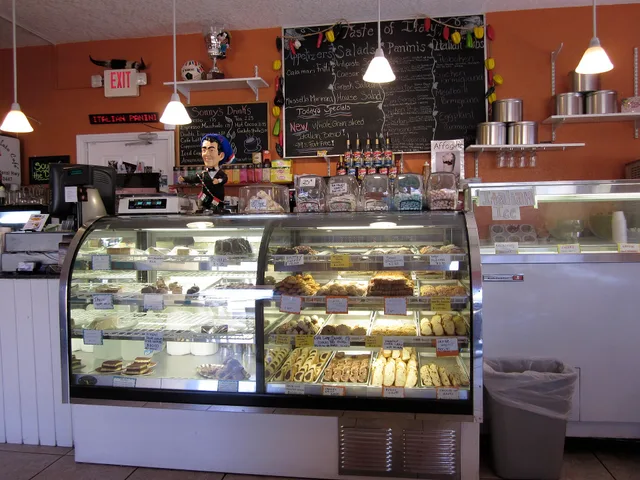
Temperature control is the core of gelato parlor operations California. Gelato is a potentially hazardous food because it contains milk and sugar and is served cold. Under CalCode, cold holding must be at 41°F or below. Your display case must hold that temperature at all times, even when the lid opens often.
You need a thermometer in each display case. It must be accurate to plus or minus 2°F. You must check and log temperatures at least every four hours. Many counties expect a log you can show an inspector. If a case runs warm, move the product to a working freezer or discard it. Do not refreeze thawed gelato.
Sanitation duties cover your tools and your surfaces. Scoops and spades must be washed, rinsed and sanitized at least every four hours, or more often if they touch allergens. You need a three-compartment sink or a commercial dishwasher.
Sanitizer concentration must match the label: typically 50 to 100 ppm chlorine or 200 ppm quaternary ammonium. Test strips must be on site.
Your display case, dipping cabinet and freezer need regular cleaning. CalCode requires food-contact surfaces to be cleaned and sanitized as often as needed to prevent contamination. For gelato, that means daily cleaning of the case interior and frequent wiping of the glass and handles.
A compliance checklist for your parlor should include temperature logs, sanitizer tests, cleaning schedules and equipment maintenance. Keep these records for at least 90 days, or longer if your county requires it.
The table below summarizes the main temperature and sanitation rules.
Temperature control and sanitation duties
| Item | Rule | Frequency |
|---|---|---|
| Gelato display case | 41°F or below | Continuous, logged every 4 hours |
| Scoops and spades | Wash, rinse, sanitize | Every 4 hours or between allergens |
| Sanitizer solution | 50-100 ppm chlorine or 200 ppm quat | Test each batch |
| Handwashing sink | Hot and cold water, soap, towels | Always stocked |
| Freezer for backup | 0°F or below | Daily check |
| Cleaning schedule | Written and followed | Daily and weekly tasks |
Daily temperature and sanitation duties
- Check and log case temperature every four hours
- Keep thermometer accurate to plus or minus 2°F
- Wash, rinse, sanitize scoops every four hours
- Test sanitizer at 50-100 ppm chlorine
- Clean case interior daily
- Wipe glass and handles frequently
If you make gelato on site, you also need to follow the pasteurization and cooling rules. Most gelato bases are pasteurized before freezing. If you pasteurize in house, cool the mix rapidly: from 135°F to 70°F within two hours, and from 70°F to 41°F within four more hours. Record those times.
Local health permits a California gelato shop needs before opening
Before you sell a scoop, you need a health permit from your county. The county health department issues the retail food facility permit. The process varies by county, but the steps are similar. Start at least 60 days before you plan to open.
County health permit steps
- Submit plan review application
- Pay plan review fee
- Schedule pre-opening inspection
- Apply for annual health permit
- Pass final inspection
You also need a city or county business license. That is separate from the health permit. If you sell retail, you may need a seller's permit from the California Department of Tax and Fee Administration. If you hire employees, you need an employer identification number and workers' compensation insurance.
The list of what licenses does an ice cream shop need starts with the health permit, then adds a business license. Some cities also require a conditional use permit for a food business, so check with your city planning department before you sign a lease.
If you plan to sell at events, you need a temporary food facility permit for each event. If you operate a mobile cart, you need a mobile food facility permit. Both come from the county and require a commissary or a permitted base of operations.
Employee hygiene, handwashing and glove rules under the adopted code
Employee hygiene is Chapter 2 of the FDA Food Code, and California adopts those rules in CalCode. Employees must wash hands before starting work, after using the restroom, after handling garbage, after sneezing or coughing, and after touching their face or hair.
Handwashing must be at a designated sink, not a prep sink. The sink must have hot and cold water, soap and single-use towels.
Gloves are required when handling ready-to-eat food, including gelato. You must wash hands before putting on gloves. Gloves must be changed when they are soiled, torn or when you switch tasks. Gloves are not a substitute for handwashing.
Employees who are sick with vomiting, diarrhea, jaundice or a sore throat with fever must be excluded from work. CalCode requires the person in charge to report certain illnesses to the health department. You must have a written employee health policy.
Jewelry and fingernails are covered too. Employees may not wear rings (except a plain band), bracelets or watches while handling food. Fingernails must be trimmed and clean. Hair must be restrained with a hat, hairnet or tie.
You must train employees on these rules and document the training. A guide to locations for ice cream shop planning should cover handwashing, glove use, illness reporting and temperature checks. Keep signed training records, because inspectors often ask for them.
County inspections, scoring and what a recheck means for a parlor
Your county health inspector will visit at least once or twice a year, depending on your risk category. A gelato parlor is usually a moderate-risk facility. The inspector looks at temperature logs, handwashing, sanitation, employee hygiene and facility maintenance.
Inspection score and recheck
Did the inspection score fall below 70 or 80?
recheck required, fee may apply
correct minor violations by deadline
California counties use a uniform inspection report. Major violations, such as improper holding temperatures or sewage backup, can lead to immediate closure. Minor violations are noted and must be corrected. A score below 70 or 80, depending on the county, triggers a recheck.
A recheck is a follow-up inspection to confirm you fixed the violations. You may have to pay a recheck fee. If you fail the recheck, the county can suspend your permit. Correct violations immediately and keep records.
Common violations in gelato shops include dirty scoops, missing thermometers, no handwashing sink access, and improper sanitizer concentration. Another is failing to exclude a sick employee. These are preventable with daily checks and training.
After the inspection, you will get a report. Note the violations, the corrective actions and the deadline. If you disagree, you can appeal through the county process. Most counties have a hearing procedure.
Use the inspection as a training tool. Review the report with your staff. A licensing and compliance review can catch gaps before your next visit. A clean record helps when you renew your permit or open a second location.