Guides
Gelato Shop Sales Tax: PST vs GST on Scoops and Pints
Gelato shop PST and GST on scoops and pints differ by province. Here is who charges what, what a compliant label carries, and the penalty for getting it wrong.
What to take away
- GST and HST are federal taxes, and the Canada Revenue Agency decides whether a gelato sale is taxable or zero-rated. The test is how the product is packaged and sold, not whether you call it a scoop or a pint.
- Provincial sales tax is a separate test set by each province. Alberta has no PST. Quebec charges 9.975% QST. British Columbia does not charge PST on food for human consumption.
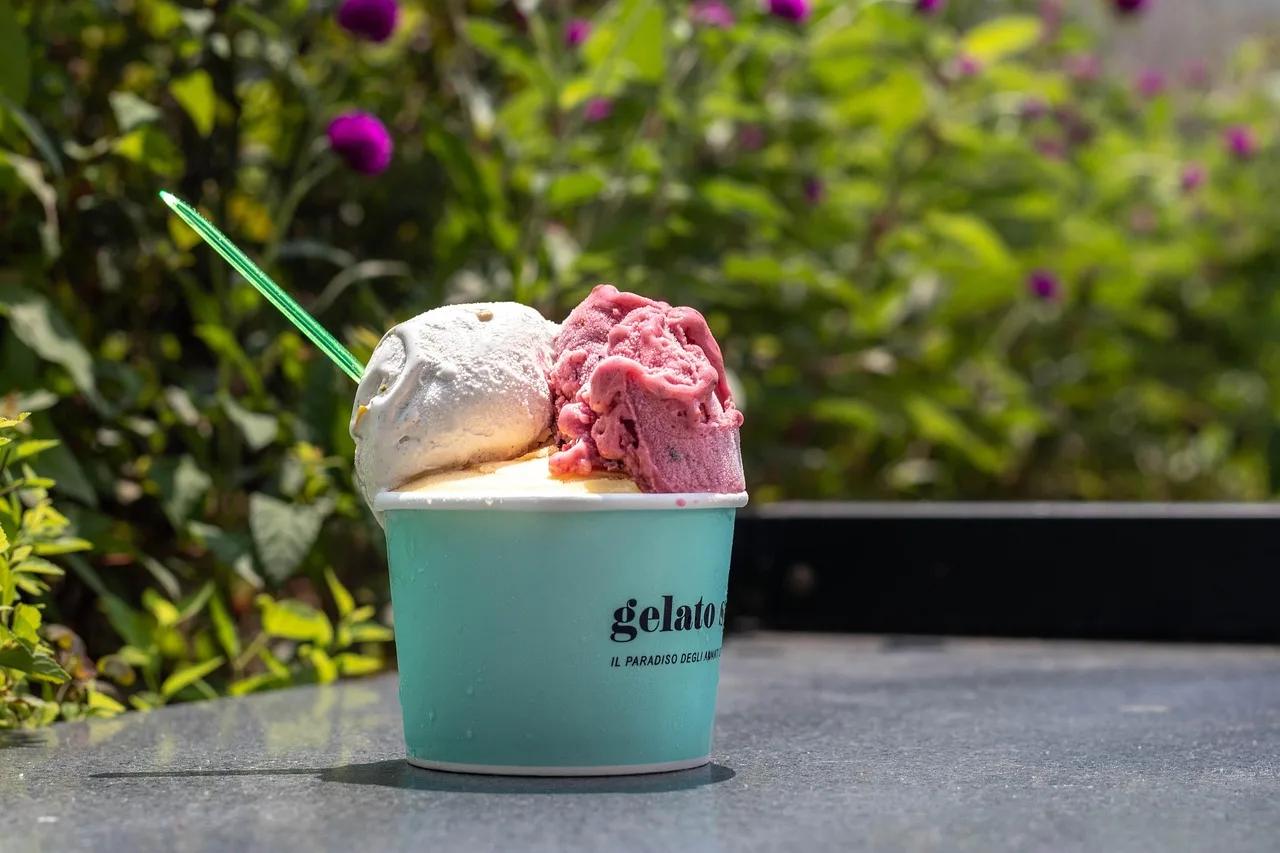
- A single scoop served in a cup or cone is a single serving and is taxable for GST. A packaged pint sold cold for takeaway can fall on either side of the line, depending on the container size.
- The Canada Revenue Agency and the provincial finance ministries, not the health unit, decide which rate applies. Getting this wrong is a tax assessment, not a food safety charge.
- Every prepackaged pint sold in Canada needs a bilingual label with the common name, net quantity, ingredient list, allergen statement, durable life date, and the name and principal place of business of the seller.
Who has jurisdiction over gelato sales tax
Two levels of government tax gelato in Canada, and they do not use the same test.
PST vs HST by province
PST province
- Tax structure
- PST on top
- Provinces
- BC, SK, MB, QC
- Scoop (prepared)
- Taxed
- Pint (packaged)
- Often exempt
HST province
- Tax structure
- One HST rate
- Provinces
- ON, NS, NB, NL, PE
- Scoop (prepared)
- Taxed
- Pint (packaged)
- Taxed
No PST
- Tax structure
- No PST
- Provinces
- AB, territories
- Scoop (prepared)
- Taxed
- Pint (packaged)
- Taxed
The Canada Revenue Agency administers GST and HST under the Excise Tax Act. The CRA publishes the current rate table for every province and territory, and the rate you charge depends on your point of sale, not your kitchen. You can check the current GST and HST rates by province before you set your till.
Provincial sales tax sits on top in British Columbia, Saskatchewan, Manitoba and Quebec. Alberta and the territories have no PST. Ontario, Nova Scotia, New Brunswick, Newfoundland and Labrador and Prince Edward Island fold provincial tax into HST, so one rate applies.
British Columbia publishes its own rules on what counts as a taxable good, and its PST exemption for food for human consumption covers basic groceries and prepared food such as restaurant meals, so a BC shop checks that page before it decides whether a pint is exempt.
The rate depends on where the sale happens, and the CRA's own examples show the spread: Ontario charges 13% HST, Nova Scotia charges 14% HST after its April 1, 2025 decrease, and Manitoba charges 5% GST plus a 7% PST. A zero-rated supply is taxed at 0% everywhere in Canada, which is why the zero-rating question matters more than the rate.
How GST treats a scoop and a pint
The key split is prepared food versus packaged food. A scoop in a cup or cone is a single serving. A sealed pint taken from a freezer is a packaged good, and its treatment depends on its size.
In GST/HST Memorandum 4.3, Basic Groceries, the CRA states that ice cream is taxable when packaged or sold in single servings. Under Part III of Schedule VI of the Excise Tax Act, it defines a single serving as a package or unit of less than 500 mL when measured by volume, or less than 500 grams when measured by weight. Cones, sundaes, cups, dishes and bowls count as single servings, but a container holding at least 500 mL or 500 grams when packaged at retail for home consumption does not. Its own example is a cone holding 250 mL of ice cream, which is taxable, and a tray of several cones stays taxable because each cone is designed as a single serving.
For a shop, that means a pint filled to less than 500 mL falls inside the single-serving size limit, while a larger tub falls outside it. Check the fill volume printed on your label before you decide how to ring up a pint.
How each province treats it
British Columbia does not charge PST on food for human consumption, which covers basic groceries and prepared food such as restaurant meals. For a BC gelato shop, the GST single-serving rule is therefore the only sales tax question on a scoop or a pint. The exception is a drink: BC treats a sweetened effervescent beverage with ice cream added to it, such as an ice cream float, as a taxable soda beverage.
Saskatchewan applies a 6% provincial sales tax to taxable goods and services consumed in the province. The Ministry of Finance's PST bulletins explain whether a particular food is taxable, so read them before you set your till.
Manitoba's Information Notice RST 26-01, issued under The Retail Sales Tax Act, describes a retail sales tax exemption for additional food and beverages effective July 1, 2026. The exemption applies regardless of packaging or serving size, and ice cream sold in single servings is on the list of items becoming non-taxable. The exemption does not apply to sales by restaurants, a group that includes bakeries, food courts, coffee shops and food carts, so ask Manitoba Finance whether your shop counts as one.
Quebec adds the QST on top of the GST, and Revenu Québec administers it. The Québec government's Information Bulletin 2026-4 announces changes to the QST system to zero-rate certain food items, effective July 15, 2026, and its notes list ice cream and similar products among the food paragraphs concerned. The foods stay subject to QST when they are supplied at an establishment where all or substantially all sales of food or beverages are taxable, so ask Revenu Québec whether your gelato shop falls under that exception.
What a home operation may and may not do
A home kitchen cannot legally sell gelato to the public in any Canadian province. Provincial public health acts require a permitted food premises with a handwashing sink, a three compartment sink or commercial dishwasher, and a separate cooler for dairy.
What a home operation may do is develop recipes and sell at farmers markets under a temporary food premises permit, where the province allows it. That permit still requires a commissary kitchen for production in most jurisdictions.
A permitted shop may sell scoops, pints, cakes and wholesale tubs. It may not sell unpasteurized dairy products, and it may not refreeze product that has thawed above 4C.
A pint that has thawed and refrozen is a food safety problem. A pint sold without the right tax code is a tax problem. Both are avoidable, and both cost more to fix than to prevent.
Labelling requirements for pints and tubs
The Canadian Food Inspection Agency sets the rules for prepackaged food, and Health Canada publishes the food labelling requirements that apply to prepackaged products.
A compliant pint label carries the common name, net quantity, ingredient list, allergen statement, durable life date, and the seller's name and principal place of business, all in English and French, as the checklist below shows:
Compliant pint label
- Common namevanilla gelato
- Net quantity in metric units
- Ingredients in descending order by weight
- Allergen statementmilk, soy, wheat, egg, peanut, tree nuts, sesame
- Durable life date if shelf life 90 days or less
- Seller name and principal place of business
- All mandatory information in English and French
The bilingual rule catches most new operators. A pint labelled only in English is a non-compliant prepackaged food, and the CFIA can order a recall or a relabel at your cost.
Records to keep
Keep your till tapes, your POS tax settings and your exemption certificates for at least six years. The CRA can reassess within four years of the notice of assessment for GST, and longer if you filed late.
Keep your batch records, dairy receiving temperatures and pasteurization logs for two years under provincial food premises regulations. Keep your label proofs and the date each version went to print.
If you sell wholesale to a grocer, keep the signed resale certificate on file. Without it, the CRA can hold you liable for the GST the grocer should have charged.
What happens if you skip it
A missing label is the fastest way to a recall. The CFIA can order you to stop sale, relabel every unit at your own cost, and publish the recall notice. That notice carries your company name.
Penalty numbers
- 10%penalty of uncollected tax
- 20%penalty if failure repeated
- 3 yearsexample of charging GST on exempt pints
- 4 yearsCRA reassessment window for GST
A wrong tax rate is slower but larger.
If you charged GST on exempt pints for three years, you still remit what you collected. You owe refunds to customers who will never ask. If you failed to charge GST on taxable scoops, the CRA assesses the uncollected tax plus interest. The penalty is 10% of the amount, or 20% if the failure was repeated.
The penalty is not the worst part. An assessment lands while you are still paying rent, and it does not care about your season.
Common questions
Do I charge GST on a single scoop in Ontario?
Yes. A single scoop served in a cup or cone is a single serving, which the CRA treats as taxable, and HST at 13% applies. A sealed container of 500 mL or more packaged for home consumption falls outside the single-serving definition and is zero-rated.
Does Quebec charge both GST and QST on gelato?
Quebec charges 5% GST and 9.975% QST on taxable sales, for a combined 14.975%. From July 15, 2026, certain food items sold in single servings are zero-rated for QST, but the foods stay taxable at establishments where all or substantially all sales of food or beverages are taxable, so confirm with Revenu Québec how a scoop and a packaged pint are treated in your shop.
Can I sell pints without a French label?
No. Prepackaged food sold in Canada must carry mandatory information in both English and French. The CFIA can order a relabel or recall if the French panel is missing.
Who do I call if I am not sure which rate applies?
The CRA business enquiries line for GST and HST, and your provincial finance ministry for PST. Get the answer in writing and keep it with your tax records.