
Guides
Ice cream shop inventory control: four stock routines
Ice cream shop inventory control relies on four routines: receiving, case close, weekly counts and seasonal resets, with the records to complete at each stage.
What to take away
- Ice cream shop inventory control in a scoop shop rests on four routines: the delivery check, the close-of-day case check, the weekly count, and the seasonal reset. Everything else is a report built from those.
- The close-of-day check is the one that matters most and is skipped most. It is where waste is weighed and where the menu tells you the truth.
- Tick a box only when there is a dated record. A count that lives in someone's head is not a count.
- The local authority's requirements determine what documentation to keep for dairy. Identify the relevant authority through the local authority's information and keep its instructions with the checklist.
How to use this list
Print it. Give the delivery and close-of-day blocks to whoever is in charge on shift. Keep the weekly and seasonal blocks for the owner or manager. The derivation of par levels from the peak day sets the numbers the list refers to, and the inventory framework explains the three stocks it separates.
At every delivery
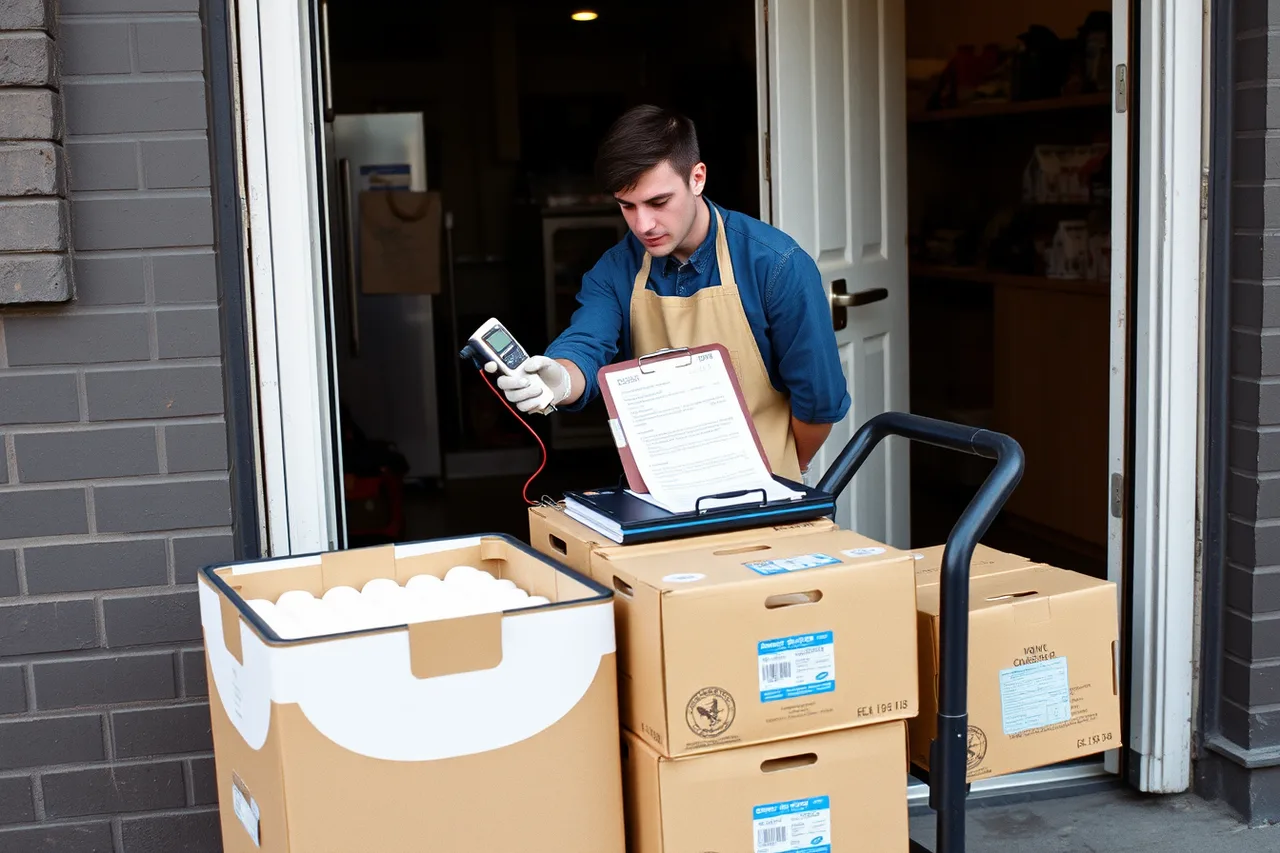
- Delivery matched to the order line by line, with shortages and substitutions written on the note.
- Temperature of each refrigerated dairy and mix item recorded with the product, supplier, and delivery date; compare the reading with the applicable receiving limit and note any corrective action.
- Approved-source documentation filed with the note. Confirm the applicable requirements with the state or local health department; the U.S. Food and Drug Administration's State Retail and Food Service Codes and Regulations directory identifies state agencies.
- Product moved from the door to cold storage immediately, oldest stock to the front.
- Damaged packaging, broken cones and crushed cups counted and noted for the supplier.
- Invoice date-stamped and filed by supplier, because it is a purchase record for tax as well as a source record; the Internal Revenue Service: What kind of records should I keep? page describes what that file has to do.
At every close
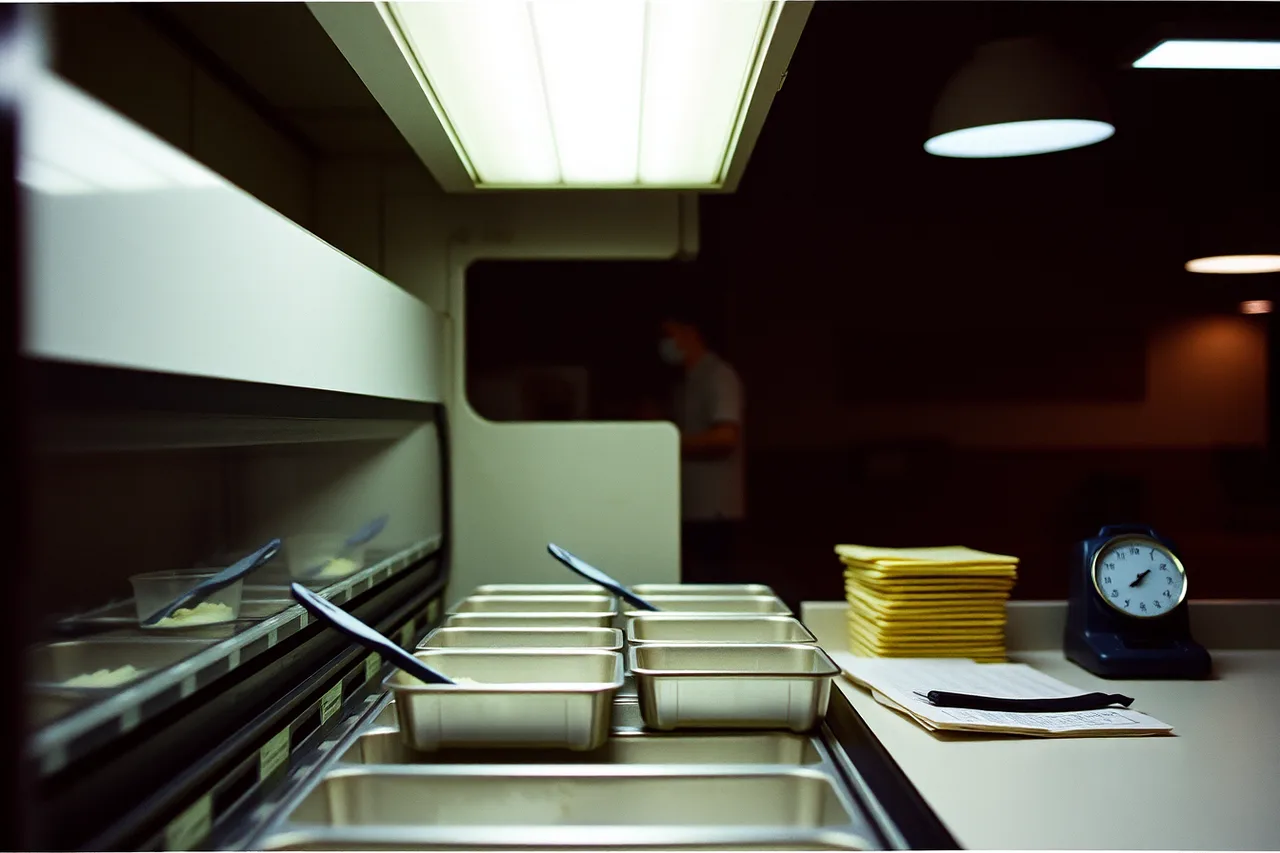
- Each pan checked against its flavor, batch or prep date, and the hold limit in the shop's written procedure; keep, return to hardening if the process allows, or discard according to that procedure and applicable requirements.
- Discards weighed per flavor; the waste record includes the date, batch, and reason.
- Pans that came out more than half full noted by flavor.
- Freezer and case temperatures read and recorded by equipment; note corrective action when readings fall outside the shop's established operating requirements.
- Consumables at the counter topped up and the stock room level glanced at, so that a Saturday never opens without cups.
Every week
- Full count of mix, dairy, inclusions and packaging against par.
- Waste record totaled per flavor and readany flavor consistently wasting is cut, reduced or rotated, and the change written down.
- Inclusion value on the shelf reviewed; slow lines flagged.
- Orders placed from the count, not from habit.
- Any near-stockout on a peak day noted and the par for that item revised.
- Supplier issues from the delivery notes raised with the supplier; the review protocol for each supplier category gives the questions.
Every season
- Pars reset for the coming season using recent counts, sales and waste: the summer par is wrong in October and the winter par is dangerous in May.
- Flavor plan revised from the waste record and the till.
- Inclusions for flavors leaving the menu used up or removed from the order.
- Hold times and date marking reviewed against the applicable state or local requirements and the shop's written procedures. The inspector's guidance can help identify what applies; the U.S. Food and Drug Administration: Food Code 2022 is a model code, and the adopted state version governs locally.
- Packaging for any event or off-premises work planned for the season added to the par with its own line.
- Freezer capacity checked against the season's plan and available space before the first big order; note any constraint that affects the plan.
What the list is for
None of the routines is difficult. Their value is that they happen on a Tuesday evening in the second week of August when the owner is not there and the person in charge is nineteen. A list on the wall with a name on each block is how that happens.
Common questions
Do I really need to weigh waste every night?
Yes. It takes two minutes, and it is the only honest measure of whether the case is the right size for the trade. Estimates drift toward zero.
What if a supplier does not provide source documentation?
Record the supplier, product, invoice or receiving details, and which document is missing. Ask the supplier for its approved-source documentation, then confirm the applicable requirement with the state or local health department.
How long should the records be kept?
Retention requirements depend on the record and the rules that apply to your shop. Check the Internal Revenue Service's recordkeeping guidance and the state or local health department's requirements, then confirm with your accountant and keep records for the longest applicable period.