Guides
Getting ice cream shop staff up to speed: the checklist
An ice cream shop training checklist that follows one new hire from first shift to working alone, with a sign-off line at every stage that matters.
What to take away
- This is a progression list for one person, not a routine for the shop. It follows a new server from the first shift to the point where they can open, run and close without you.
- Sign and date each block. An unsigned checklist is a wish, and in a seasonal business the person who did the training may be gone before the season ends.
- The order is deliberatehygiene and machines before product, product before the till, the till before working alone. Skipping ahead is how a shop trains people during a rush.
- Whether specific training or certification is required where you trade is a matter for the agency that issues your permit, not for this list.
How to use it
Print one per hire. Keep it in the file with their start paperwork. The person who signs a block should be the person who watched the task done, not the owner signing at the end of the week.
Before you start, settle two things. What does the law where you trade require of this employee, especially if under eighteen? What food handling training or certification does your permit require?
The U.S. Department of Labor: New and Small Businesses compliance pages cover the federal side of hours and young workers. Your state labor agency covers the rest. The food handling requirement belongs with the licensing questions this trade raises.
Block one: before the first shift
- Start paperwork complete and filed, with the process applied the same way for everyone; the U.S. Equal Employment Opportunity Commission: Small Business Resource Center sets out the employer obligations and records that go with hiring.
- Any food handler card or training required where you trade obtained, or the date it will be obtained agreed in writing.
- Schedule for the next two weeks given, in writing.
- Written standard for a good shift handed over and readthe case, the serving, the wait, the close.
- Emergency information givenwho to call for a machine alarm, a power failure, an injury, a refrigeration failure out of hours.
Signed: ______ Date: ______
Block two: hygiene, before touching product
- Handwashing points, when and how, demonstrated and watched.
- Illness reporting rule explainedwho to tell, and that they must not come in.
- Hair, jewelry, gloves and clothing rules for your premises.
- Allergen map of the casewhich flavors contain nuts, wheat, egg, and where the dairy-free products sit.
- Scoop and spade handlingseparate wells, no cross-contact between allergen flavors, how often water is changed.
- Cleaning schedule for surfaces, wells, counters and the customer side.
Signed: ______ Date: ______

Block three: the machines
- Batch freezer: start, run, empty, and what every alarm means. Watched twice before doing it alone.
- Cleaning and sanitizing cycle for the batch freezer, done in full under supervision. This is the one to be strict about.
- Hardening freezer and walk-inwhat goes where, how stock is rotated, why the door being open matters.
- Display casefilling a pan, leveling, presentation, and what a pan looks like when it has been in too long.
- Temperature checkswhich units, when, and where the reading is written down.
- What to do when a unit reads wrongwho to call, and what happens to the product in the meantime.
Signed: ______ Date: ______

Block four: the product
- Can name every flavor in the case and describe it in one sentence.
- Can explain why gelato is denser than ice cream, in one sentence, without saying anything that is not true.
- Knows which products are dairy-free and how they are kept separate.
- Knows what the shop can and cannot say about its ingredients and where they come from.
- Knows what to answer when a customer asks about an allergythe honest answer about shared equipment, and who to fetch.
Signed: ______ Date: ______
Block five: the counter and the serving
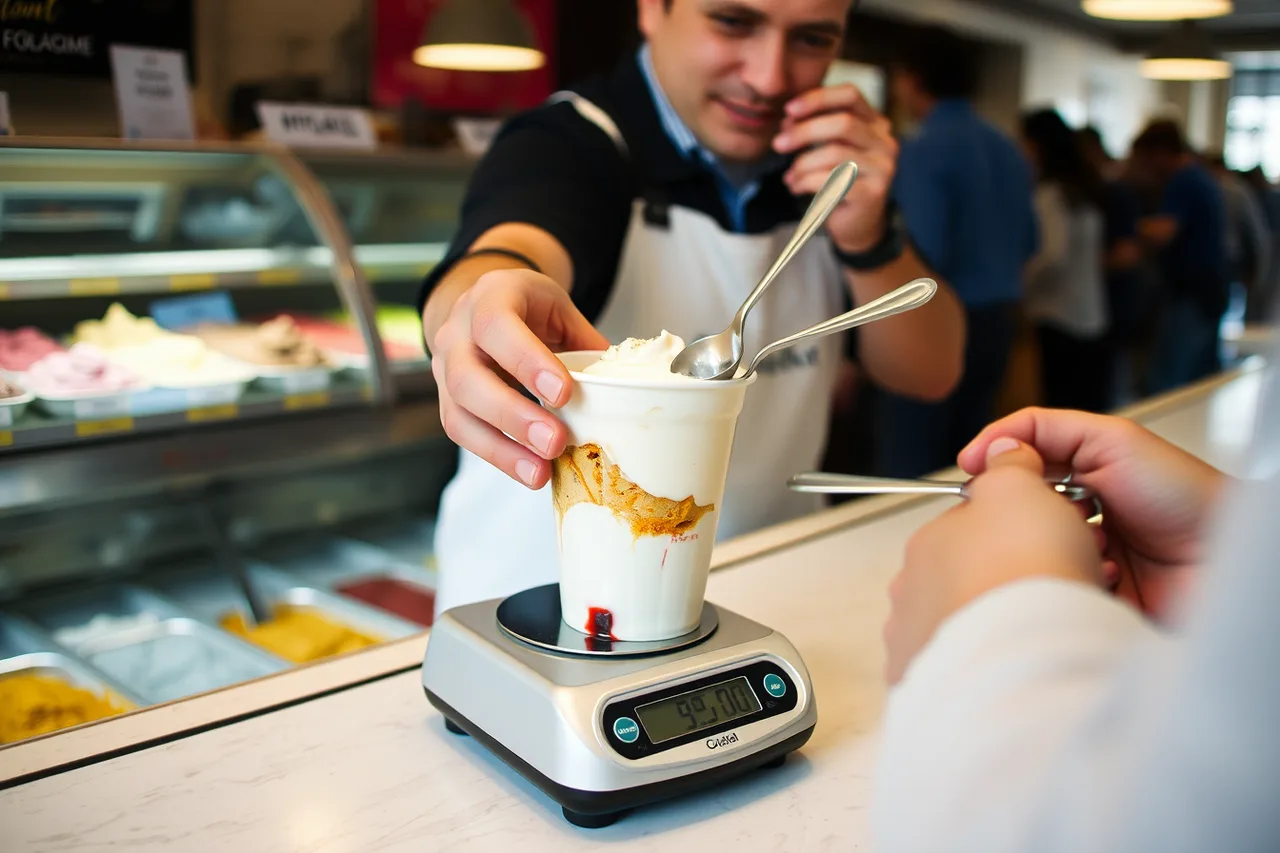
- Serving size specification given, demonstrated, and then weighed. Twenty real servings.
- Weighed again during an actual rush. Drift measured and discussed.
- Cone, cup and take-home handlingwhat is handed over with each, and how a pint is packed for the car.
- Queue behaviorhow to acknowledge people waiting, how to help an undecided customer without stalling the line.
- Tasting spoonsthe rule for how many, and how they are handled.
- Complaint handlingthe sentence to say, and when to fetch the person in charge.
Signed: ______ Date: ______
Block six: the till and the money
- Sales rung by line, so the records mean something later.
- Refunds and voidswho may authorize, and how it is recorded.
- Card system failurewhat happens next, and what is not done.
- Cash handling and the count at close.
- What is never doneno staff serving themselves or friends without it going through the till, ever.
Signed: ______ Date: ______
Block seven: the close
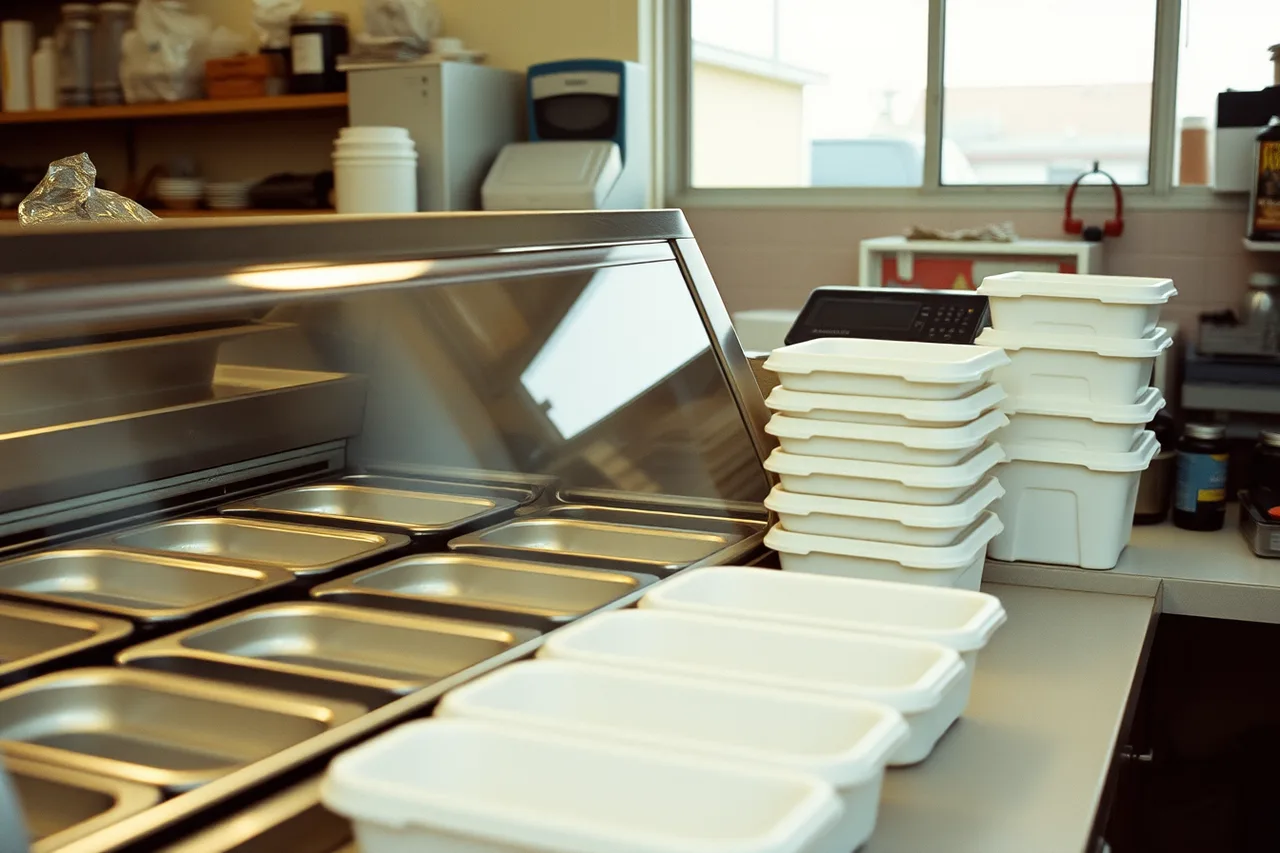
- Case assessed pan by pan against the hold time, with the outcome recorded.
- Waste weighed by flavor and written down.
- Temperatures read and logged.
- Consumables restocked for the next opening.
- Cleaning completed to the written standard, checked by someone else the first three times.
- Lock-up, alarm, and the last look at the freezers.
Signed: ______ Date: ______
Block eight: cleared to work alone
Only after every block above is signed and the person has worked at least one full peak shift beside someone experienced.
- Can open the shop unaided.
- Can run a rush without abandoning the routine that customers cannot see.
- Can close unaided, with records complete.
- Knows what to do about a machine failure, an injury, an angry customer, and a power cut, and who to call for each.
- Knows which decisions are not theirs to make.
Signed: ______ Date: ______
Mid-season and end-of-season blocks
Halfway through the season, re-weigh servings, re-read the standard together, and ask what is going wrong that you have not noticed. Serving size and closing quality both decay in August, and both decay silently.
At the end, hold a short conversation with each person: what they did well, what to fix, and whether they want to come back. That conversation is most of next spring's recruitment, and it belongs with the staffing calendar for the year.
What this list will not do
It will not make somebody reliable. Attendance, consistency under pressure and honesty with product are things you select for rather than train, and the selection method that predicts them runs before this list starts.
It also does not cover supervision. Running shifts, scheduling and handling people are a different skill set, described in the U.S. Bureau of Labor Statistics: Food Service Managers occupational profile, and a server who has completed every block above is not yet a manager.
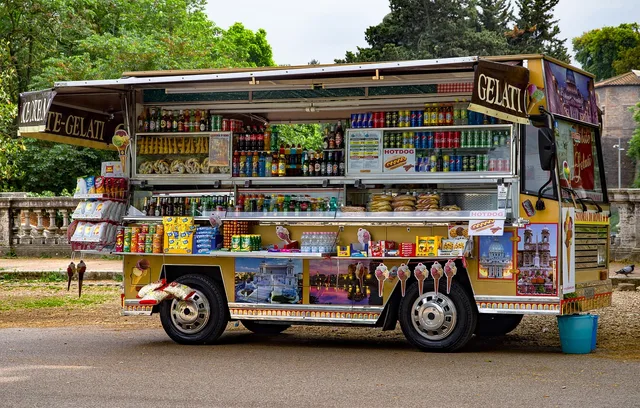
Staff who go off site need their own additions: transport, holding, setting up somewhere with no running water, and being alone with the money. Add a block for it before anyone works an event or a cart pitch, because none of the above assumes leaving the building.
A trained counter is also the shop's best advertisement, since the answer a server gives to "what should I try?" reaches more people than most of the work done to bring them in.
Common questions
Is two weeks enough?
For the mechanics, usually. For judgment, no. Clear someone to work alone when the blocks are signed and they have worked a real peak, not when the calendar says a fortnight.
Who signs the blocks if I am not there?
Whoever is the person in charge on that shift, named in advance. If nobody is named, the training did not happen.
Do returning staff redo the list?
Blocks two, three and five, briefly. Machines change, allergen maps change, and serving size drifts over a winter as surely as over a season.
What if someone refuses part of it?
Find out why. Refusing to weigh servings usually means they think the specification is wrong, and that is a conversation worth having before it becomes a habit.