Guides
Which local SEO fields actually matter most for an ice cream shop?
Local search for an ice cream shop, field by field: what the map listing controls, why seasonal hours matter more here than anywhere, and what to check each season.
What to take away
- Local search for a scoop shop is mostly a hygiene job, not a campaign. The listing has to be correct, current and alive, and most shops that feel invisible fail on one of those three.
- Hours are the field that matters most in this trade and the one most often wrong, because opening changes with the season and nobody updates it.
- You do not control the ranking. You control the inputscategory, hours, photographs, description, and the reviews you earn by being good.
- Searches here are made minutes before the purchase, usually outdoors, usually on a phone. Everything should be judged against that moment.
What the search is actually doing
Someone is standing in a street on a warm evening, or sitting on a sofa deciding where to walk to. They search for ice cream near them and get a short list on a map. That list is the whole game, and appearing on it is decided by things the search company describes openly.
The Google Business Profile Help: Tips to improve your local ranking on Google page lists factors the company says it uses. They are how relevant the listing is to the search, how far the business is from the searcher, and how well known the business is.
Distance is fixed; relevance and prominence are partly yours.
Read that page once, properly, before doing anything else. It is the only authoritative statement about a system that generates a great deal of guessing.
The fields, in order of what they do for a scoop shop
Hours. The one that matters most here. A seasonal business changes its opening several times a year, and a listing that says open when the shutter is down produces a stranger standing outside your locked door forming an opinion. Set special hours for holidays too.
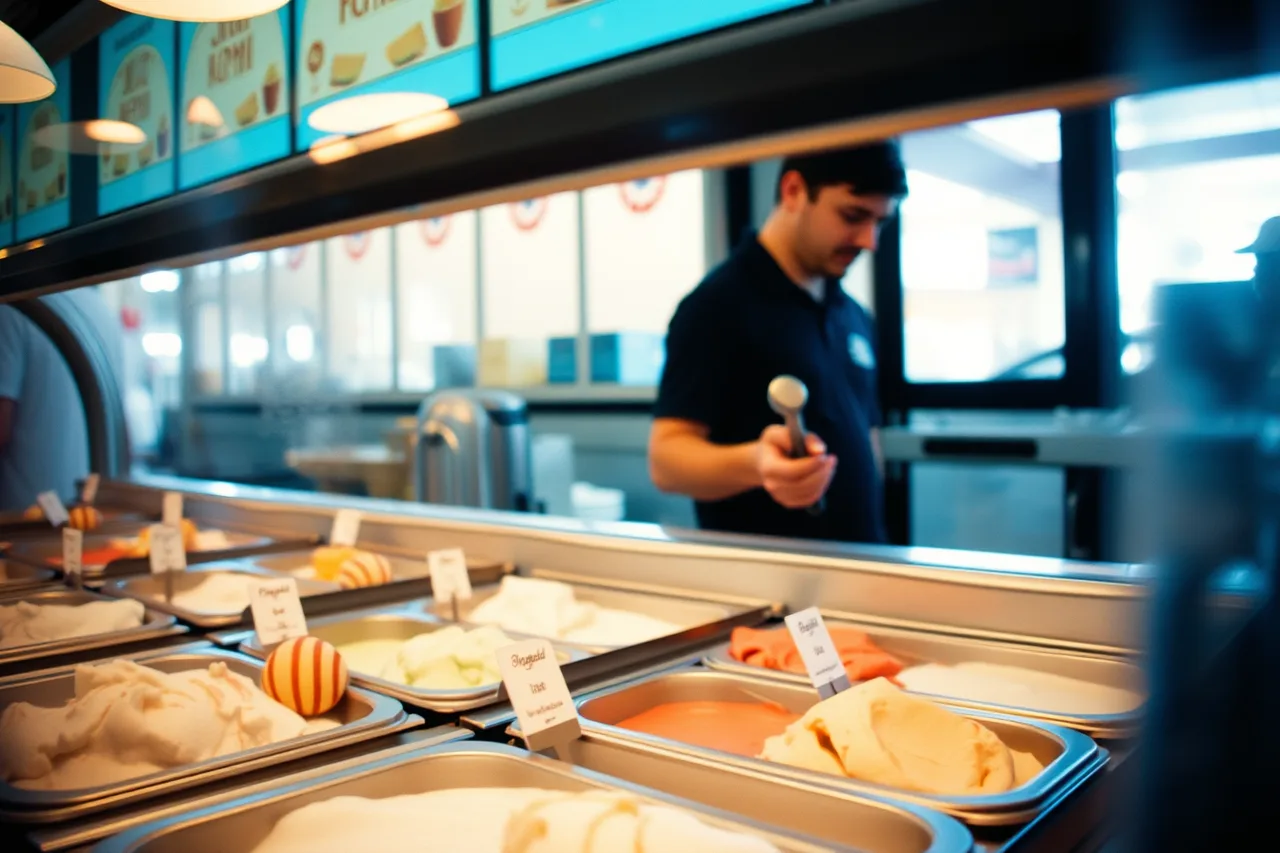
Category. Choose the one that describes what you are, not the one you wish applied. A gelato maker, a scoop shop and a dessert cafe are not the same business to a searcher.
Photographs. Real ones, of your actual case, your actual front, and your actual product, updated as flavors change. Stock imagery of somebody else's sundae tells a searcher nothing and sets an expectation you will not meet.
Location and directions. Confirm the pin is on the door rather than the middle of the block. On a promenade or in a mall, this is the difference between being found and being given up on.
Attributes. Outdoor seating, accessible entrance, dairy-free options. These answer the question the searcher actually has and they are frequently left blank.
Description. Plain, specific, and true. What you make, whether you make it, and what is worth coming for.
Products and menu. Keep flavors current if you list them. A listed flavor that has not been in the case since June is a small broken promise.
The seasonal hours routine
Put this on the calendar rather than trusting memory.
- Before the season openshours updated, photographs refreshed, description checked.
- At each change of hourslisting updated the same day the shutter time changes, not the week after.
- Holidaysspecial hours set in advance for every closure and every late opening.
- End of seasonif you close entirely, mark it properly rather than leaving hours that will be wrong for months.
- Every monthread what people have asked or said, and answer anything unanswered.
A shop that does this reliably outperforms one that does clever things intermittently.
Reviews, and the line you must not cross
Reviews affect how a listing performs, and the search company says as much on the page above. That makes them tempting to manufacture, and manufacturing them is the fastest way to a real problem.
Ask honestly. Ask everyone, not solely those who look pleased. Offer nothing in exchange.
The U.S. Federal Trade Commission: Soliciting and Paying for Online Reviews: A Guide for Marketers explains what is and is not acceptable when soliciting reviews. It covers how to disclose incentives and why writing or buying reviews is not an option.
Answer the reviews you get, including the poor ones, briefly and without argument. A calm reply to a complaint is read by many more people than the complaint is.
Your website, if you have one
A small site earns its place by doing three things: hours and location, what you make, and how to order a cake or a party tub. Everything else is optional.
Two technical points worth the effort: it must work on a phone outdoors in bright light, and the hours must match the listing exactly. A mismatch between the two is the most common wrong answer a searcher gets about a shop.
If you take orders, make the order form the easiest thing on the site. Orders are winter revenue, and winter revenue is what the whole growth argument for a seasonal shop rests on.
What you may say online
Everything on a listing, a site, or a post is advertising. In this trade, descriptive claims are checkable: made on the premises, local dairy, no artificial flavorings, dairy-free.
Some are limited by what your permit allows the product to be called, and packaged product has its own labeling rules. Those answers come from the agency that regulates you and belong with the licensing questions to settle early.
What local search cannot fix
It cannot put people on a street that is empty at eight in the evening. It cannot make a queue move faster. It cannot make somebody return after a serving that was smaller than the photograph.
Getting found is the cheapest fix and the least of the reasons a shop struggles. If the listing is correct and current but people still do not come, the answer is usually in the front, product, queue or street.
The answer also lies in what a serving must earn once someone does arrive. It is set out in what a price has to clear across the year.
Search and the parts of the business that are not the counter
If you sell wholesale or take event bookings, those buyers search differently and they search in the working week. A page that says plainly what you supply and to whom is worth more to them than anything on a map listing, and it belongs with the decision to trade beyond the counter.
Whoever updates the listing needs to be someone other than you eventually. Put it in a named role, with the seasonal routine above written down, in the same way as the rest of what the crew is trained to do.
Common questions
How long before changes show up?
Not predictably, and nobody outside the search company can tell you. Make the changes because they are correct, not because you expect a fast effect.
Should I pay someone to do local search for me?
Only after the hours, photographs, category and description are right, because that is most of the value and it takes an afternoon. Anyone promising a ranking is promising something they do not control.
Do keywords in the business name help?
Use your actual business name. Stuffing a name with search terms breaches the platform's own rules and risks the listing you depend on.
What about the other map and review sites?
Same routine, less traffic in most places. Keep hours consistent everywhere, because inconsistent hours across sites is worse than being on fewer of them.