Guides
Cottage food laws gelato cart: frozen dairy rarely qualifies
Cottage food laws gelato cart operators rely on exclude frozen dairy in most states. See California's revenue cap, dairy rules, labeling and cart permits.
What to take away
- Cottage food laws gelato cart operators rely on in most states exclude frozen dairy, so gelato usually needs a licensed kitchen, not a home one.
- Texas is the notable state that allows some frozen desserts under cottage rules, but the limits are narrow and locally enforced.
- Every cart still needs a local health permit and, in most states, a commissary or permitted base of operations.
- Gelato sold from a cart needs a label with the product name, net quantity, ingredients, allergens, and your business name and address.
- Once you sell wholesale, ship across state lines, or add a retail counter, cottage exemptions end and the retail Food Code applies.
- Confirm your state's rules with the state department of public health and your county health department before you buy equipment.
How state cottage food laws treat gelato and frozen dairy
Cottage food laws let a person make certain foods at home and sell them directly to consumers. Most were written for shelf-stable baked goods, jams, and candy. Frozen dairy sits far outside that group.
Cottage rules by state
State
- California
- No
- New York
- No
- Texas
- Limited
- Illinois
- No
- Massachusetts
- No
- Washington
- No
- Pennsylvania
- No
- Florida
- No
Frozen dairy
- California
- Permitted kitchen
- New York
- Licensed facility
- Texas
- Strict limits
- Illinois
- Dairy excluded
- Massachusetts
- Dairy excluded
- Washington
- Dairy excluded
- Pennsylvania
- Dairy excluded
- Florida
- Not approved
Effect
- California
- New York
- Texas
- Illinois
- Massachusetts
- Washington
- Pennsylvania
- Florida
The core problem is temperature. A cottage operation usually means a home kitchen with a domestic refrigerator and freezer. Gelato is a dairy product that must be held frozen and then kept cold during sale. Few cottage statutes describe how that works.
Texas allows some frozen desserts under its cottage food rules, which are codified in Health and Safety Code Chapter 437, with limits on how those desserts are made and sold. California's cottage food law, the California Homemade Food Act (AB 1616), effective January 1, 2013, covers a defined list of non-potentially-hazardous foods, and frozen dairy is not on it, so gelato from a home kitchen is generally not permitted there. The act also caps gross revenue at $50,000 for cottage food operations in 2015 and following years.
Other states exclude dairy outright, each under its own statute or agency rule. Washington's cottage food operations statute, RCW 69.22, covers non-potentially-hazardous foods rather than frozen dairy, and the state Department of Health writes the food rules that local health jurisdictions enforce. Illinois places cottage food in its Food Handling Regulation Enforcement Act, administered by the Illinois Department of Public Health. Florida's cottage food law, section 500.80 of the Florida Statutes, lists approved categories that do not include frozen dairy. New York, Massachusetts, and Pennsylvania handle home food production through their state agriculture or public health departments and local boards of health, and none of the three approves frozen dairy as a cottage food.
State-by-state cottage food law comparison:
| State | Frozen dairy under cottage rules | Practical effect for a gelato cart |
|---|---|---|
| California | No | Home production not allowed; use a permitted kitchen |
| New York | No | Dairy excluded; licensed facility required |
| Texas | Limited | Some frozen desserts allowed with strict limits |
| Florida | No | Frozen dairy not an approved cottage category |
| Illinois | No | Dairy excluded from cottage production |
| Massachusetts | No | Dairy excluded; local board of health review |
| Washington | No | Dairy excluded; permitted kitchen required |
| Pennsylvania | No | Dairy excluded; Department of Agriculture oversight |
This table is a starting point, not a legal opinion. County health departments interpret these rules, and local enforcement varies by jurisdiction.
A useful way to think about it: if your product needs a freezer to be safe, treat it as a commercial food, not a cottage food. That framing will save you from buying a cart you cannot legally use.
Vendors who plan the whole buildout at once, from product to permits, tend to hit fewer walls, and our guide on how to start an ice cream shop walks through that sequence.
Dairy handling rules that disqualify many cottage food operations
Dairy handling restrictions for cottage operations are the second wall. Even in a state that allows frozen desserts, the milk or cream you buy must come from an approved source.
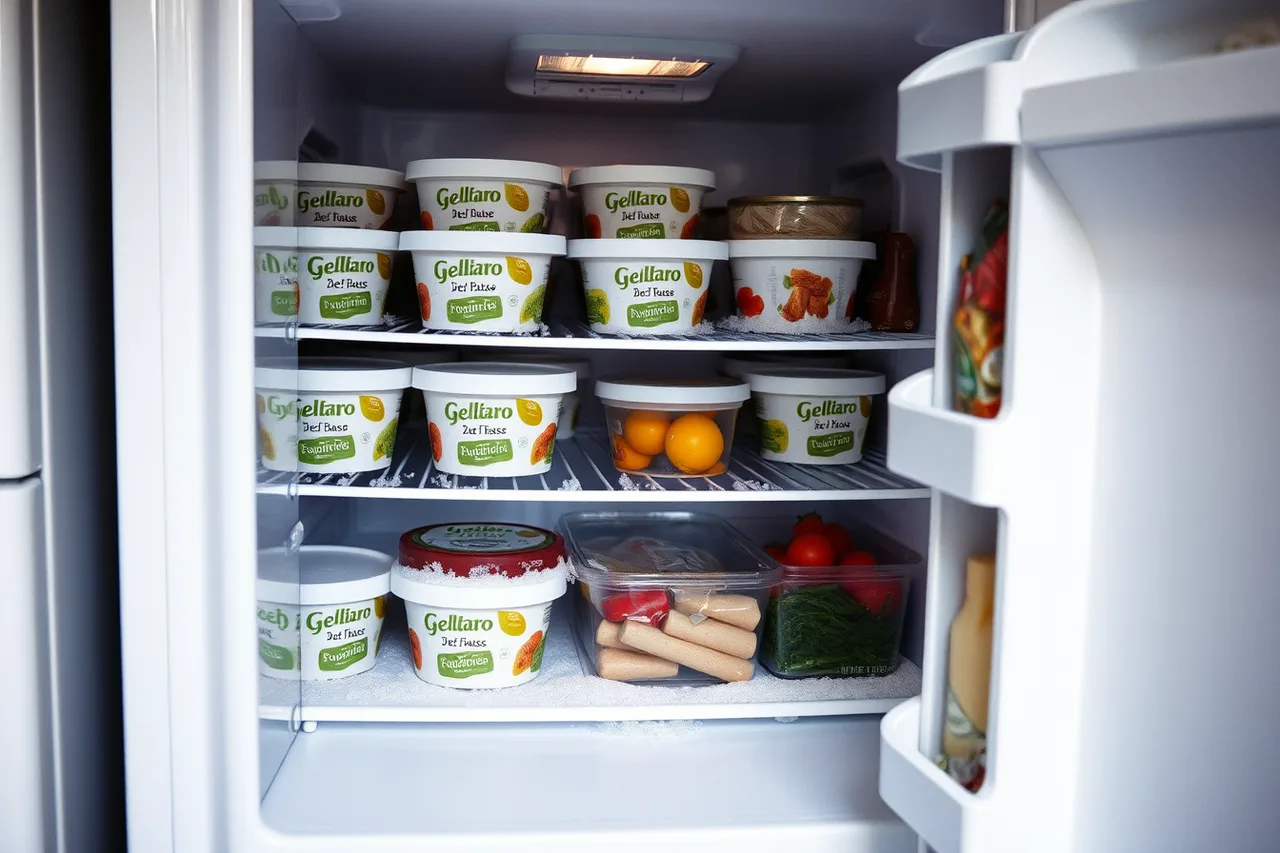
In the United States, fluid milk sold commercially is subject to USDA dairy grading and federal milk marketing orders. That means your base ingredient arrives through a regulated chain, and your state dairy regulator can inspect how you store and handle it.
Cottage rules rarely cover that chain. They assume low-risk foods that sit on a shelf. Gelato involves pasteurized mix, freezing, holding, and serving, each with a temperature window.
The Food Code 2022 sets sanitation and temperature control requirements for frozen desserts, including holding temperatures and cleaning procedures for equipment that touches food. States adopt that code in their own way, and local agencies enforce it. You can read the specifics in the Food Code 2022 | FDA.
Three practical disqualifiers show up again and again:
- Home kitchen equipment. A domestic freezer that cycles on and off cannot hold a safe serving temperature through a market day.
- Shared refrigeration. Storing gelato base next to household food invites cross-contamination and fails inspection.
- No hand sink or warewashing. Carts that serve scooped gelato need a way to clean scoops and wash hands.
If any of those apply, you are in retail food territory, not cottage food territory. That usually means renting time in a permitted commercial kitchen or commissary.
Cost is the tradeoff. A commissary agreement plus a permitted cart can run well past a home setup, so it pays to know your numbers early. Our breakdown of startup costs covers equipment, permits, and working capital for a frozen dessert business.
One more point on staffing. Once you use a commercial kitchen and hire help, ServSafe food safety certification and OSHA workplace safety standards start to matter for your operation, even at small scale.
Labeling requirements for gelato sold from a cart
Gelato labeling requirements apply whether you sell from a cart, a stand, or a shop. Cottage food labels and retail labels overlap on the basics.
Gelato cart label checklist
- Common namegelato or flavor
- Net quantity metric and US units
- Ingredients by descending weight
- Allergen statement covering milk
- Business name and address
- Lot or date code if required
- Nutrition labeling if claiming
At minimum, your label needs the common name of the food, the net quantity of contents, the ingredient list in descending order by weight, and your business name and place of business, the elements set out in 21 CFR Part 101. Allergen labeling follows the Food Allergen Labeling and Consumer Protection Act, which requires that milk be declared by name as a major allergen.
- Common namegelato, or a specific flavor name with gelato as the food
- Net quantity in both metric and US customary units
- Ingredients listed by descending weight, including milk, cream, sugar, and stabilizers
- Allergen statement covering milk and any egg, soy, wheat, or nuts present
- Business name and address, or the name and address of the manufacturer or distributor
- Lot or date code if your state requires one for cottage or frozen products
- Nutrition labeling if you make a nutrient content claim or sell beyond small-business exemptions
Cottage food labels in many states must also carry a statement that the product was made in a home kitchen that has not been inspected. That statement is a warning to the buyer, and it signals the limits of the exemption.
For a cart, put the label on the retail container and keep a copy of the full ingredient and allergen list at the point of sale. Customers ask about nuts and dairy constantly. A laminated allergen sheet saves time and reduces risk.
If you sell prepackaged pints alongside scooped gelato, those units need their own compliant labels. Scooped service still needs allergen information available on request.
Labeling is one line item in a broader set of obligations. Our compliance checklist covers the records, postings, and inspections that come with a frozen dessert business.
Permits, carts and commissary rules by state
Gelato cart permits come from local government, not from the state cottage food statute. The state may exempt your food from licensing, but the city or county still regulates where and how you sell.
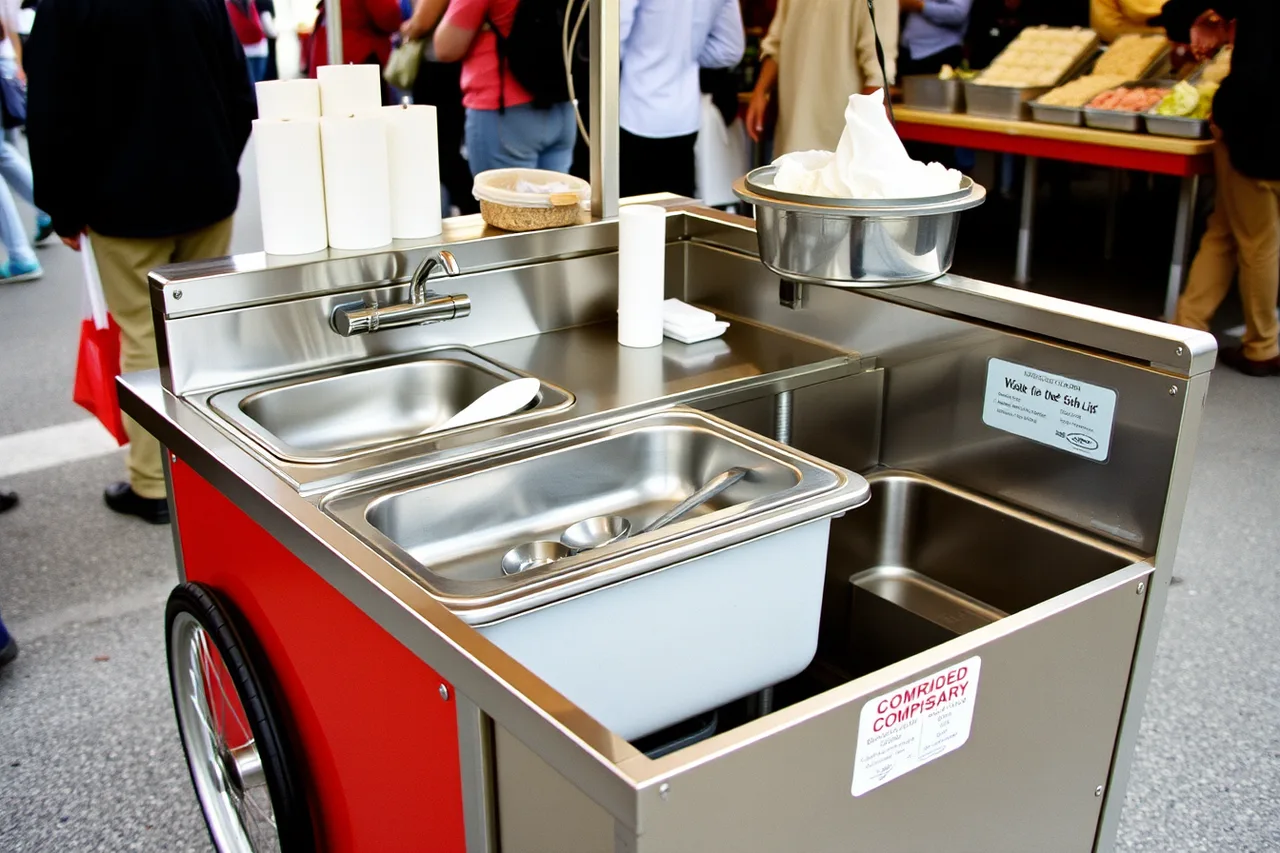
A typical mobile food cart gelato setup needs a mobile food facility permit, a health permit for the cart, and an approved commissary or base of operations. Some cities add a peddler or vending license and a zoning check for the sites you use.
Rules differ by state in ways that matter:
- California requires a permitted commissary and a mobile food facility permit from the local environmental health agency, and cottage registration does not cover frozen dairy.
- New York issues mobile food vendor licenses through local health departments and, in New York City, the Department of Health and Mental Hygiene runs a separate vendor license with limited availability.
- Texas regulates mobile food units through the Texas Department of State Health Services and local health authorities, with commissary and water supply requirements.
- Florida licenses mobile food dispensing vehicles through the Division of Hotels and Restaurants at the Department of Business and Professional Regulation, and frozen desserts are inspected as potentially hazardous food.
- Illinois, Massachusetts, and Washington route cart permits through local boards of health or local health jurisdictions, with commissary, hand sink, and warewashing conditions attached.
- Pennsylvania issues cart permits through local health departments, which also review dairy handling and commissary agreements.
Two documents make the process smoother. First, a commissary letter or agreement naming your base of operations. Second, a cart plan that shows water, wastewater, refrigeration, and hand washing.
Federal guidance on licenses and permits is a good cross-check for the paperwork side, and the Small Business Administration explains how to apply for licenses and permits at the federal level. The USAGov small business portal links to state and local licensing offices as well.
Budget time for inspections. Health departments schedule cart inspections before the first day of sale and often again during the season. Keep temperature logs and cleaning records on the cart.
For a fuller map of who issues what, including health, zoning, and business licenses, see our guide to the licenses does an ice cream shop need and who to ask.
Where cottage food rules stop and retail food rules begin
Cottage exemptions are narrow by design. They cover direct sales to consumers, usually in person, usually within the state. Step outside those bounds and the retail Food Code takes over.
The FDA publishes the Food Code as a model that state, local, and tribal agencies adopt for retail food establishments, which you can review in the FDA Food Code | FDA. Once your operation is a retail food establishment, you need a certified food protection manager, approved equipment, and routine inspections.
Cottage or retail rules?
Do you sell only direct to consumers in state?
cottage exemption may apply
retail Food Code applies
Frozen dairy usually trips the last one. That is why so many gelato carts operate under retail rules from day one, with a commissary kitchen and a permitted cart, rather than chasing a cottage exemption that does not fit.
If you are weighing the two paths, compare the full regulatory load, not just the permit fee. Business structure, IRS Schedule C reporting, employment tax rules for any helpers, and local business licenses all apply either way.
Our licensing and compliance guide lays out how the pieces fit together for a frozen dessert business. Read it before you sign a commissary lease.