Guides
Off-Counter Ice Cream Shop Quotes: A Seven-Line Structure
How to price ice cream shop services? This guide maps four off-counter jobs, seven quote lines, and two acceptance tests, without offering rates.
What to take away
- The work that leaves the counter is priced differently from the work that happens across it. A scoop is sold to whoever is standing there; a booking is a promise about a date, a place and a temperature.
- Fair, in this trade, means the margin covers the risk the job carries. Off-site work carries cold chain, travel, a date that cannot slip, and staff pulled out of the shop on the day they were needed.
- Quote from the job's shape, not from the counter price multiplied by a number of guests. The two have almost nothing in common.
- Every off-counter line raises questions about what your license permits and what your product may be called once it is sold to someone else to resell.
How ice cream shop services fit an off-counter quote
Catering and event service. You take product, equipment and staff to somewhere else for a fixed window. The risk is the window: it does not move, and product that arrives soft is a failure that cannot be corrected.
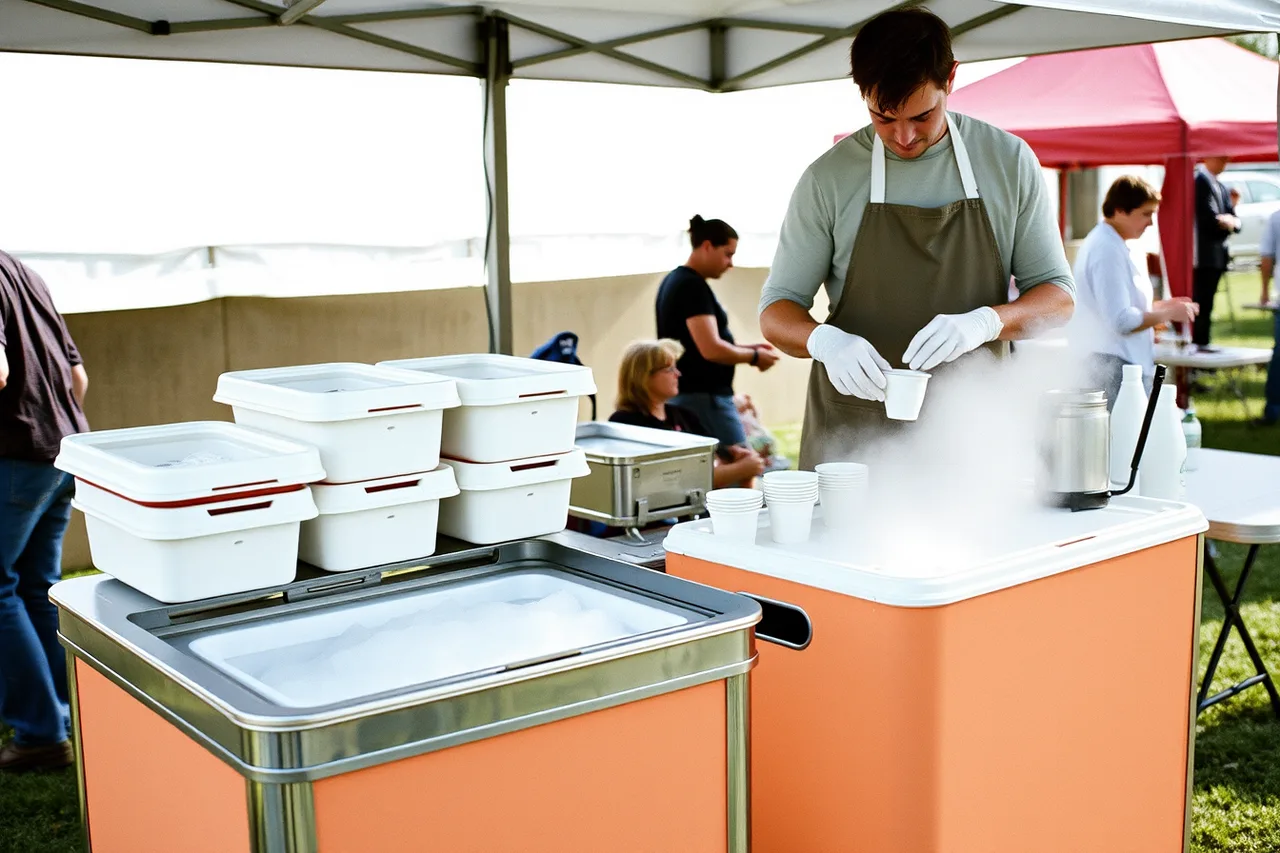
The cart or pop-up pitch. A short season at a market, a festival or a venue. The risk is the pitch fee against weather you cannot forecast, and the fact that the pitch may take the same staff who run the shop.
Wholesale tubs to another business. A restaurant, a cafe or a hotel buys your product to serve as their own dessert. The risk is thin margin, delivery, payment terms and a customer who can drop you for a cheaper tub.
Occasion product made to order. Cakes, logs, party tubs, custom flavors. The risk is that it is made speculatively against a promise, and if the customer does not collect, you own a frozen object nobody else ordered.
Each of these sits inside a wider decision about whether to take on off-premises trade at all, which is the expansion question rather than the pricing one.
Why the counter price is the wrong starting point
The counter price comes from a serving, a vessel, a few staff seconds, and a share of the shop's occupancy. An off-site job has none of that shape.
It has setup and teardown, travel, a vehicle, and dry ice or an on-site freezer. A supervisor cannot serve while supervising, and product made ahead in quantities that are wrong if the guest count moves.
Multiply a scoop price by a guest count and you have priced the dairy and nothing else. That is the single most common way a catering job loses money while looking like a good week.
Counter pricing belongs to the shop's overall pricing framework, not this guide to off-counter quotes. Everything below is what changes when the sale leaves the building.
Build the quote from the job
- The product line.Quantity, in servings or in weight, with a stated assumption about guest numbers and a stated rule for what happens if the number moves.
- The making line.Which batches, made when. If the job forces a batch outside the normal run, that batch displaces something the case would have sold.
- The transport and holding line.Vehicle, cold holding on the way, cold holding at the venue, and the person who watches it. This is the line most often left at zero and it is the line that decides whether the job succeeds.
- The labor line.Setup, service, teardown and travel, for every person, not just service hours. Someone has to be in charge; the U.S. Bureau of Labor Statistics: Food Service Managers profile describes what that supervisory role involves and publishes national pay data for it, a better basis for costing it than a guess.
- The displacement line.What the shop loses because these staff and this product are elsewhere. On a Saturday in July that number is large. On a Wednesday in October it is near zero, and that is why the same job is worth quoting differently on different dates.
- The risk line.The provision for the thing that goes wrong: a melted tub, a venue with no power for your freezer, a customer who calls it off inside the week.
- The margin.Applied to the total, not smuggled into the product line.
What a fair margin means here
Fair is not a number this page can give you, and anyone quoting one is describing their own shop. Structurally, fair means this: after the job is done, the money left over justifies having taken the shop's staff, product and freezer space out of their normal use. It also absorbs the jobs of that type that go wrong.
That last part is why an occasional caterer should price higher than a regular one, not lower. If you do four events a year and one fails, the margin on the other three has to have carried it.
Two tests before accepting:
- Would you take this job on your busiest Saturday at this price? If not, the date is doing work the price is not.
- If the guest count halves the week before, does the quote still work? If not, write the minimum into the quote.
Wholesale is a different animal
A restaurant buying tubs is not a customer at your counter with a bigger appetite. They are a business reselling your product, they will compare you with a distributor, and they pay on their terms rather than yours. Margin per liter is lower and the volume is meant to make up for it.
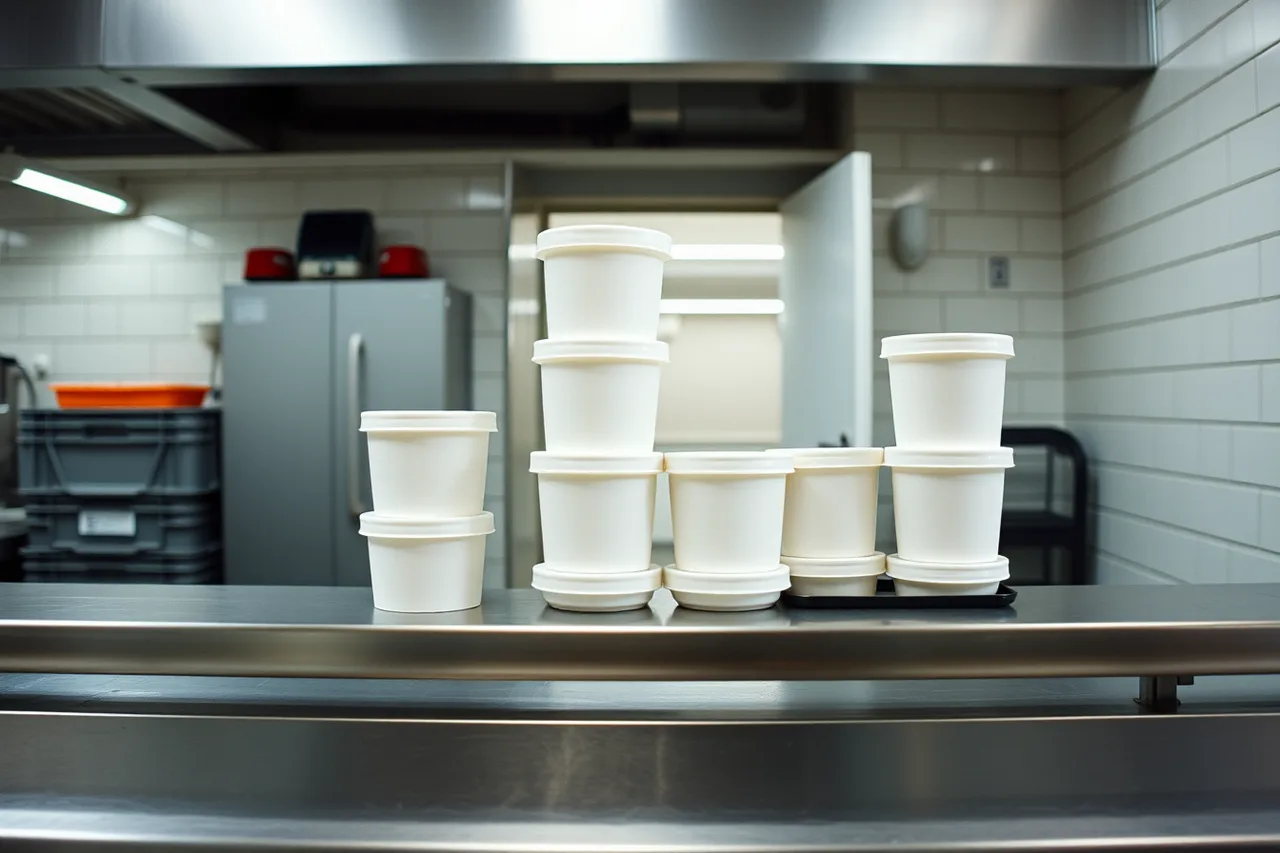
Before quoting wholesale at all, ask the state agency that governs retail food where you are whether selling packaged product to another business for resale changes your license class or your labeling obligations. That is a question with a real answer, and it is one of the licensing questions this trade raises. Quote after you have the answer, not before.
What you may say in a quote
A quote is a document a customer relies on. Describe what it includes plainly, and avoid phrases that sound like garnish: "made fresh on the day", "all dairy sourced locally", "serves fifty comfortably". Each is a representation.
The Federal Trade Commission: Advertising FAQs: A Guide for Small Business says a claim must be truthful and supportable before it is made. A quote writes an unsupportable one down with your name on it.
Say what you will deliver, what you assume, what you charge for changes, and what happens if the customer cancels. Vagueness in a quote is not generosity; it is an argument scheduled for later.
Records, and what they teach you
Keep every quote, accepted or not, with the actual costs of the job beside it afterward. The Internal Revenue Service: What kind of records should I keep? page describes the sales and purchase records a small business is expected to hold. A quote file that carries the outcome as well as the price turns those records into a pricing method.

After a season you will know which job types actually paid, which customers changed their numbers late, and how far your transport estimate was out. That is worth more than any formula, and it is also the material that tells you which of these lines is worth promoting through the channels you use to reach customers.
The staffing problem underneath
Off-counter work is profitable only if someone can run it without you. A Saturday market cart needs one person who can open, serve, reconcile and close alone.
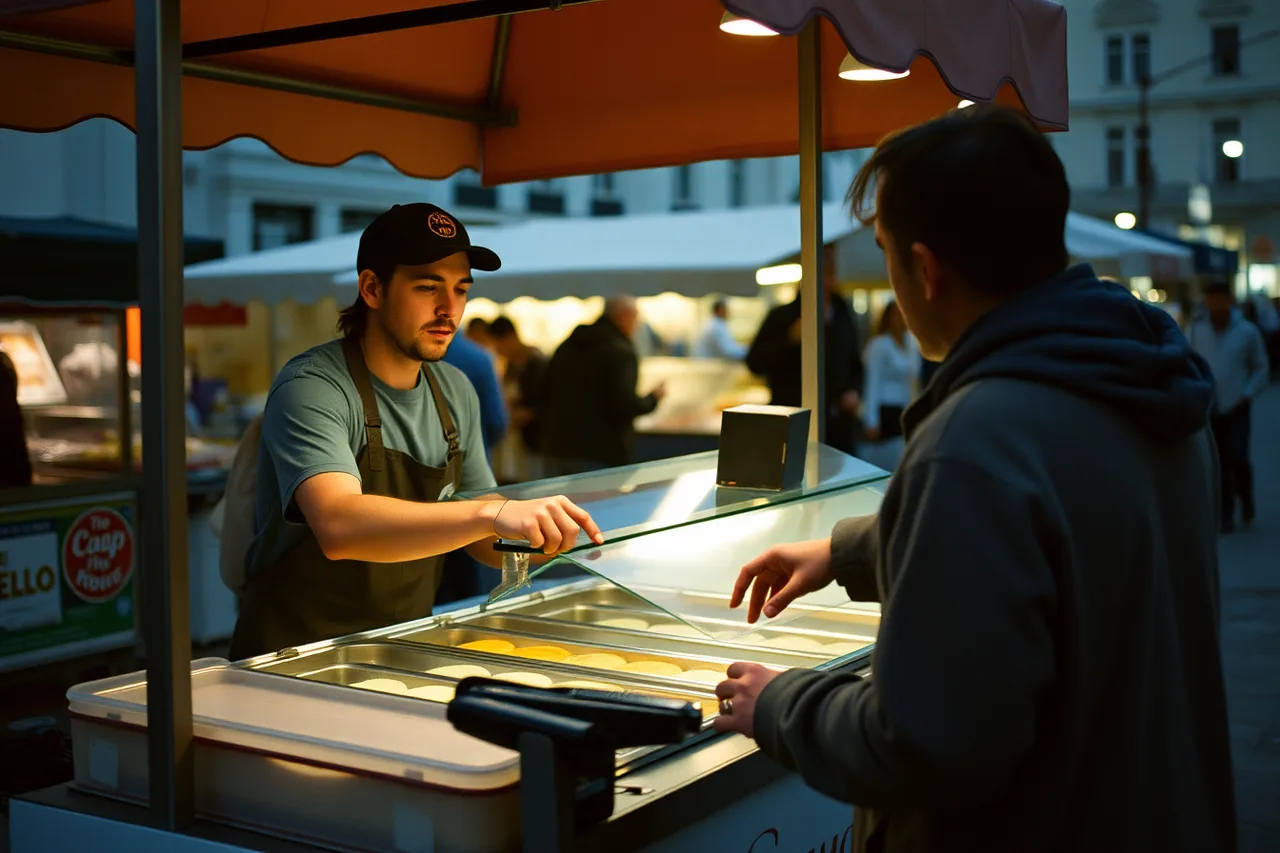
That is a different hire and a different training standard than the counter requires. Without that person, the honest price for the job includes your own day.
Common questions
A customer says another shop quoted less. What now?
Ask what their quote includes. Most cheaper quotes for event work are missing transport, holding, teardown or a supervisor. If yours is genuinely dearer for the same scope, say why in one sentence and let them decide.
Should I discount a first wholesale order to win the account?
Only if you can live at that price, because it becomes the price. A trial quantity at your normal price tells you more, and it does not train the buyer to expect a number you cannot repeat.
How do I price a job in the off-season?
Lower, honestly, because displacement is near zero and the staff and the freezer are idle. That is the one legitimate reason for the same job to carry two prices, and it is worth saying plainly to the customer.
What if the venue has no power?
Then the quote includes whatever holding you have to bring, or you decline. Discovering this on the day is how event work develops its reputation for losing money.